Institute of Systems, Molecular and Integrative Biology
Resources used by the Institute of Systems, Molecular and Integrative Biology
1 projects
View projects in directory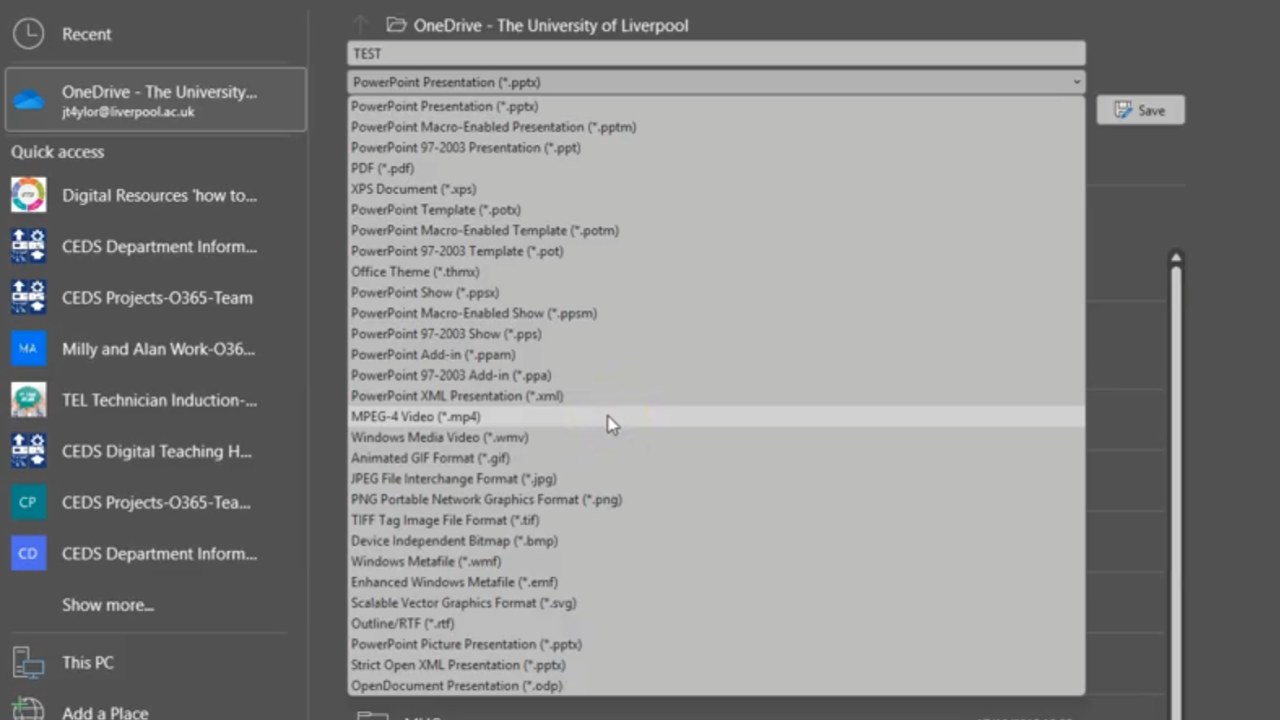
Staff Support
Training materials might be full courses, manuals, videos, and interactive modules that support staff
1 projects
View projects in directory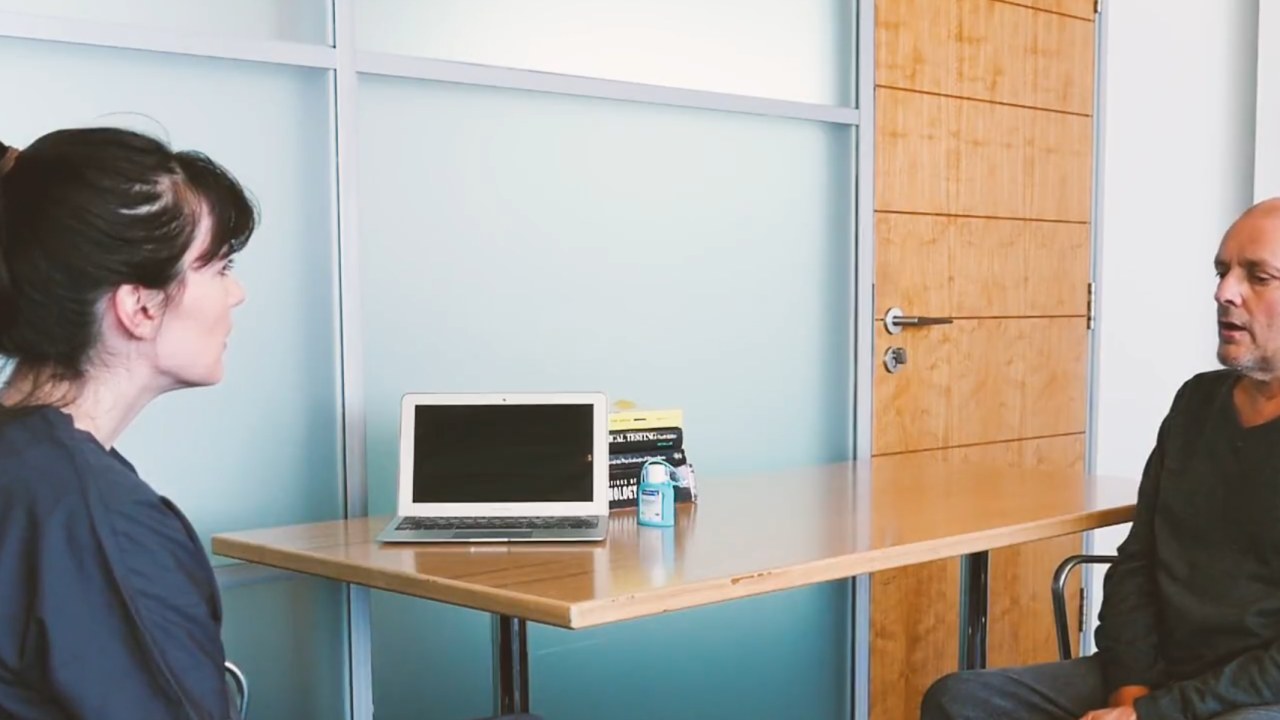

School of Veterinary Science
Resources used by the School of Veterinary Science
7 projects
View projects in directory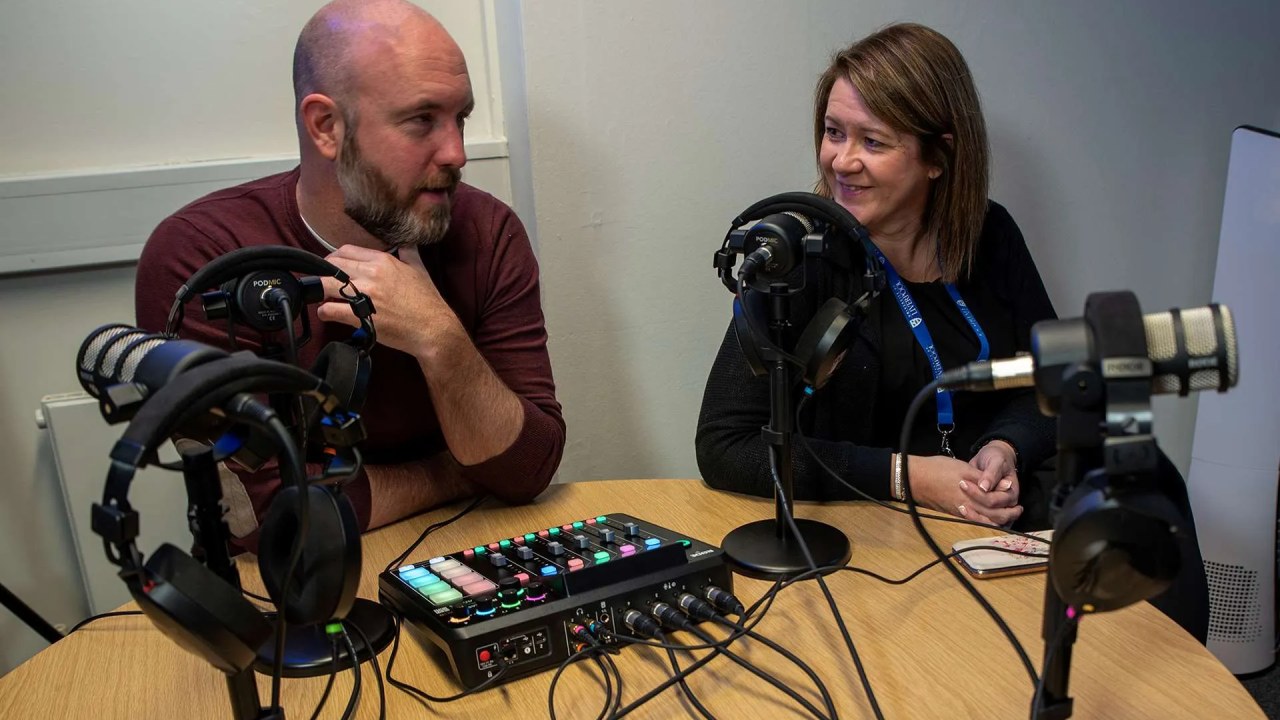
School of Allied Health Professions and Nursing
Resources used by the School of Allied Health Professions and Nursing
4 projects
View projects in directory
Web Technologies
Web based resources made with HTML, Javascript and CSS.
5 projects
View projects in directoryCEDS
Content developed by the Centre for Educational Development and Support (CEDS)
21 projects
View projects in directoryClass Room Activity
Activities that can be used in a classroom setting
3 projects
View projects in directoryTraining
Training materials might be full courses, manuals, videos, and interactive modules that teach someone how to underatake a task.
4 projects
View projects in directory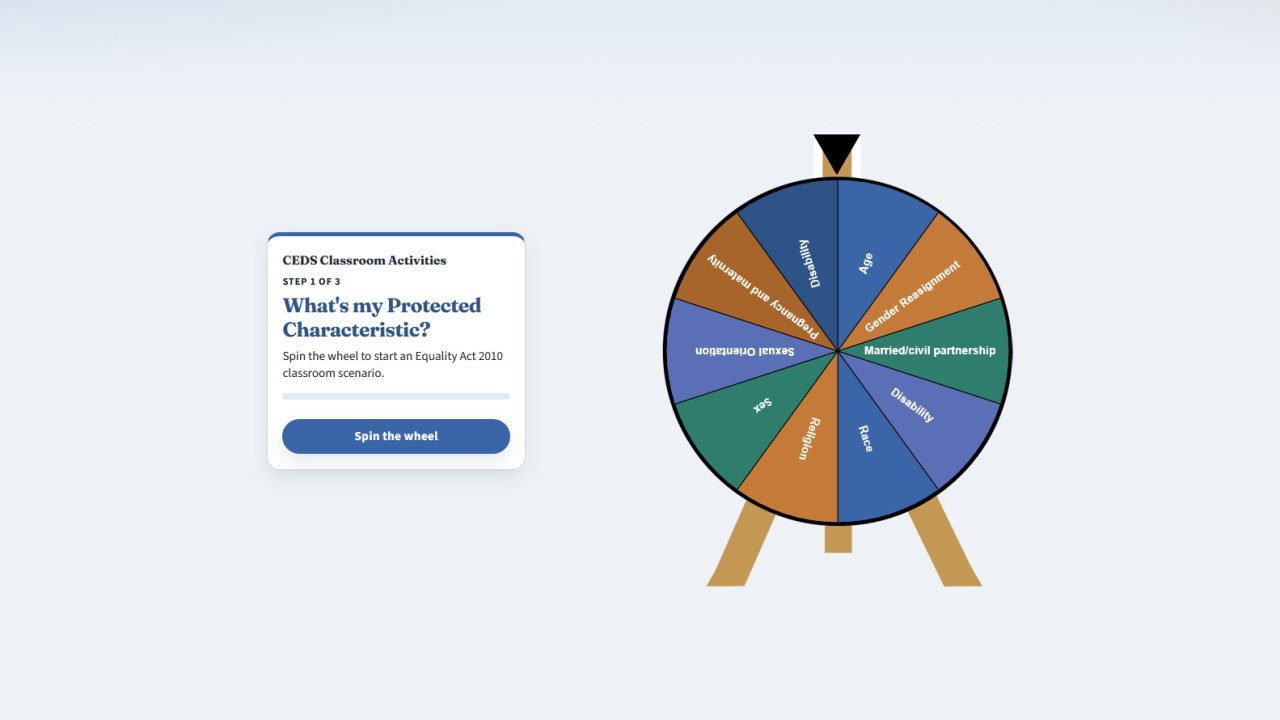
Game
Interactive games and playful activities for teaching, discussion, and clinical reasoning.
11 projects
View projects in directoryStoryline
Articulate Storyline is an e-learning authoring tool designed for creating interactive and engaging online courses.
7 projects
View projects in directory
Comparative Judgement Assessment Tool
A web-based assessment tool that presents posters in pairs and asks learners to choose which is stronger. It captures choices, ratings and comments to support robust comparative judgement and rich feedback. The demo can be accessed by using the username demotask and passphrase demo
View project in directory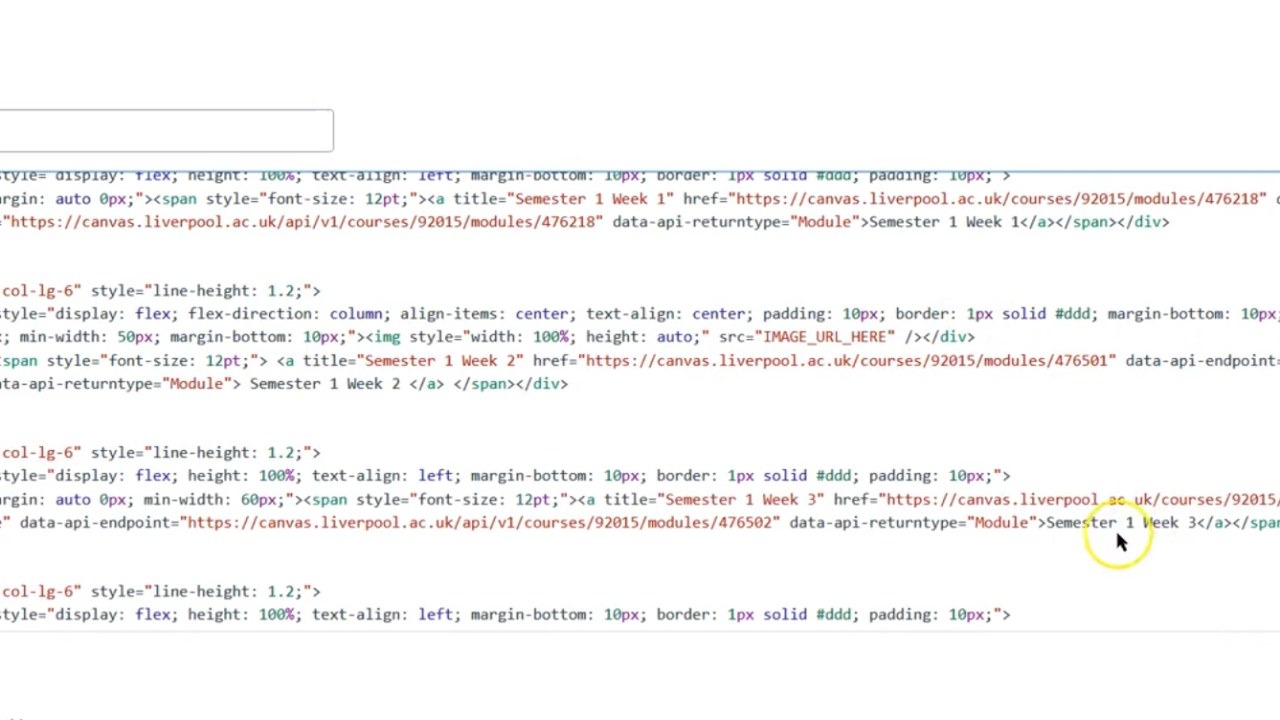
Tutorial on HTML in Canvas
This tutorial walks through how to fix a common Canvas LMS issue: editing and cleaning up HTML inside a tricky table layout. Using a real example, it shows how to identify broken structure, tidy up inline styles, adjust column widths, and make Canvas behave when the visual editor refuses to cooperate. Even though the video focuses on one specific table?formatting problem, the steps apply to any HTML editing you might need to do in Canvas. You�ll learn how to switch to the HTML view, spot the patterns Canvas uses, safely adjust markup, and avoid the usual pitfalls that cause wrapping, spacing, and layout glitches.
View project in directory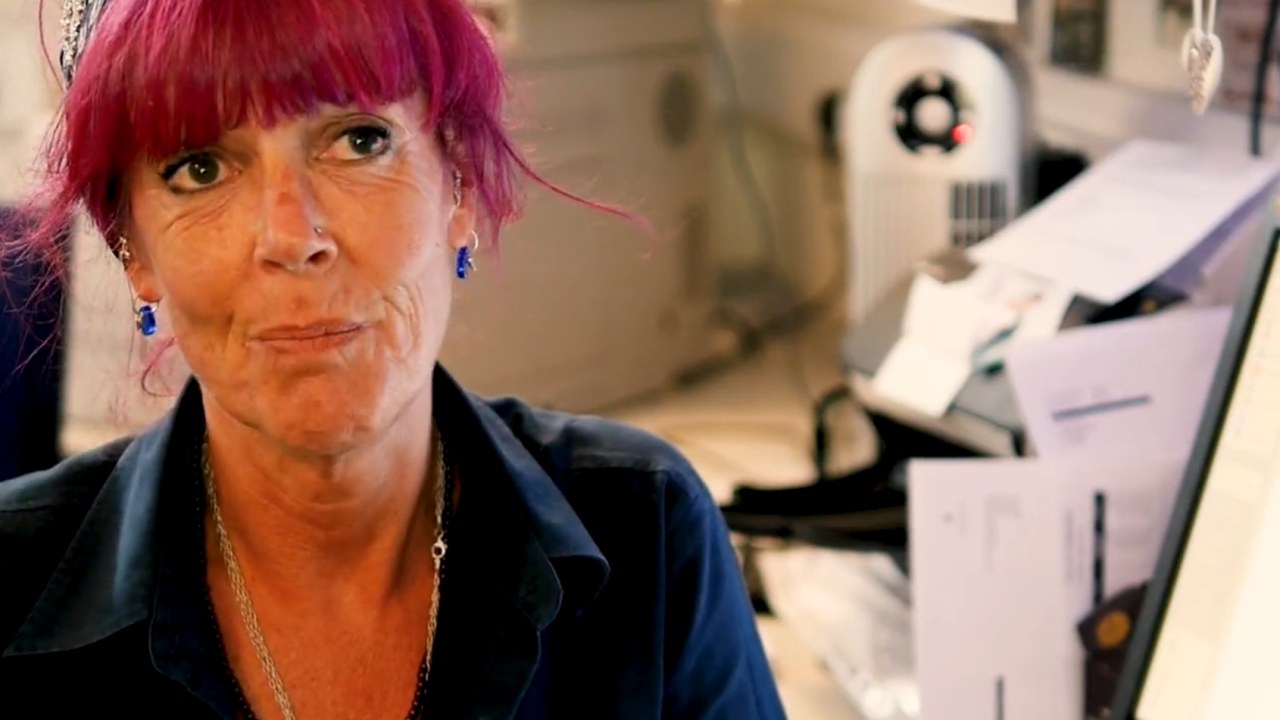
Prefessional Services at Leahurst - Promotional Video
Demonstrates a variety of filming locations and styles using our professional filming equipment, storyboarding, editing, colour grading and sound enhancement.
View project in directory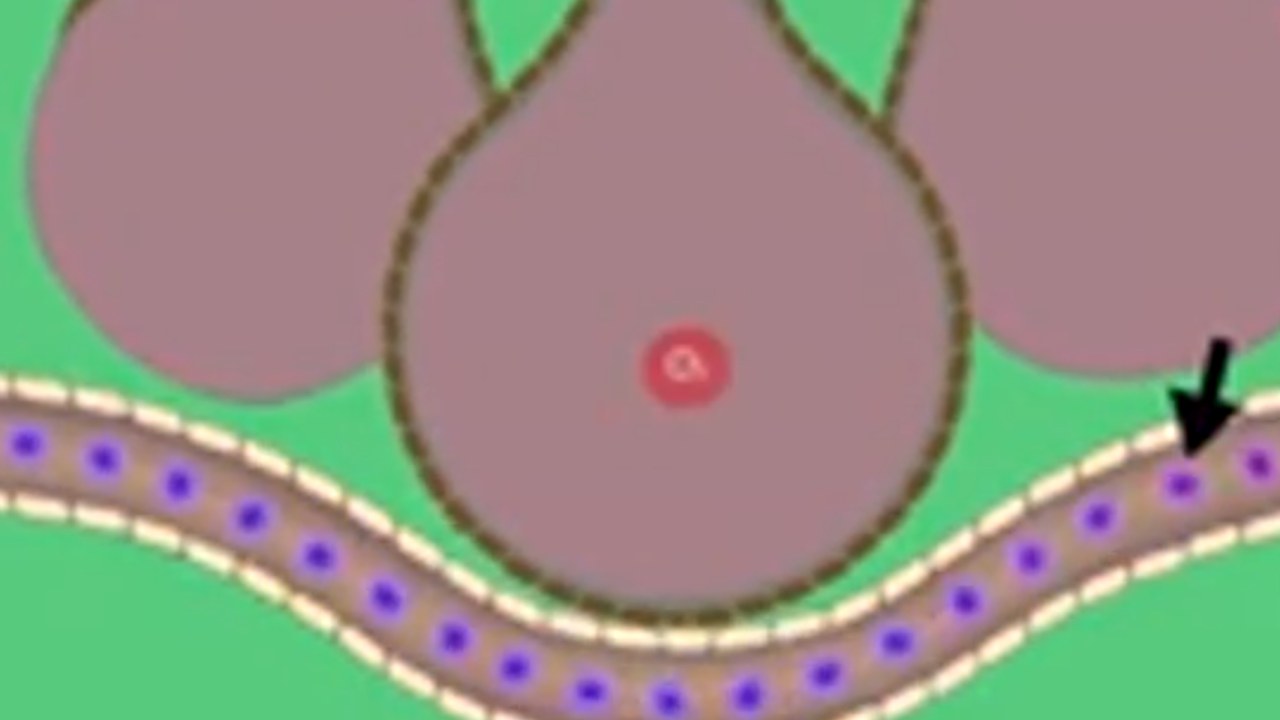
COPD and Carbon Dioxide Changes Animation
A focused animation showing how COPD affects carbon dioxide levels. Supports teaching on respiratory physiology and clinical implications.
View project in directory
Podcast Development Guidance
There's a number of factors, both technical and creative, that need to be considered when you decide to start a podcast. This document covers the main areas of consideration, such as: Is it actually a podcast that you want to make? What is the intended audience and reach? What commitment can you make to it? Have you got willing guests or contributors (if relevant)? Accessibility � Transcripts (can be time intensive) How is it going to be recorded? Can you commit to in-studio times or is it remote? What promotion will you be doing? The attached PDF will give you more information on these matters and enable you to make some important early decisions as you consider starting a podcast.
View project in directory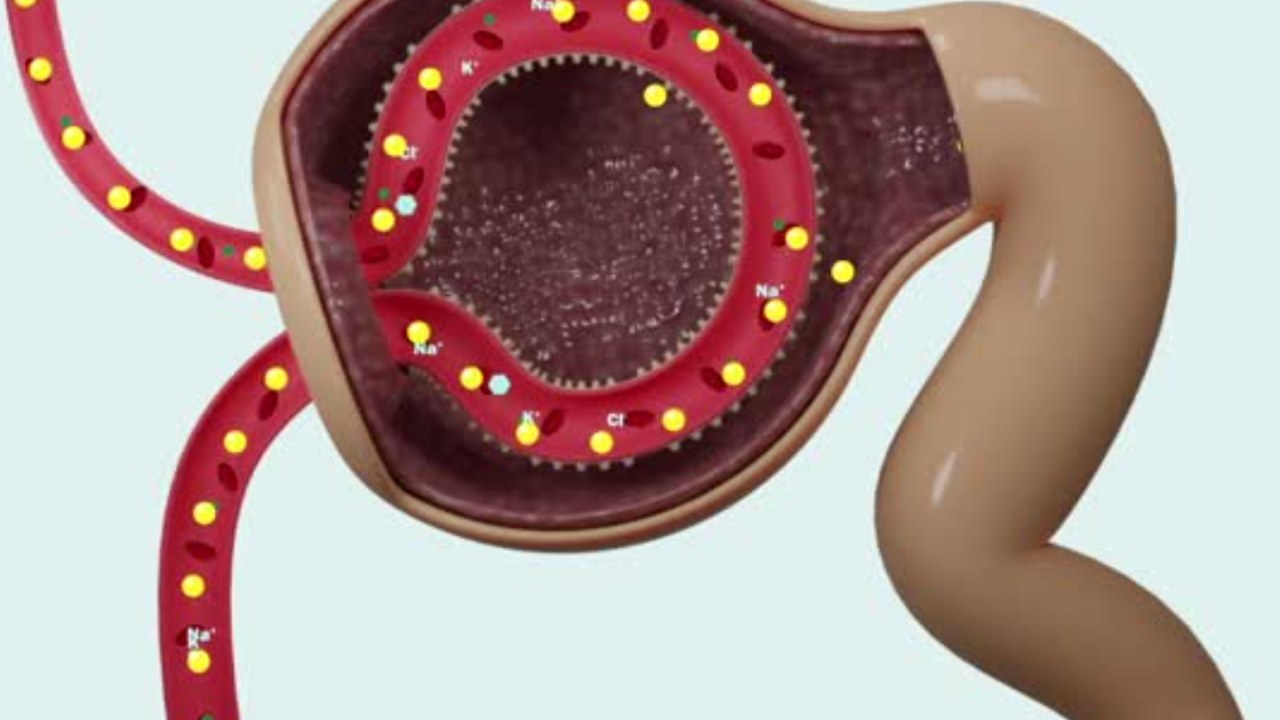
RPF (Renal Plasma Flow) Animation
A concise animation that clarifies RPF and its measurement, ideal for quick revision.
View project in directoryEye Test Learning Animations
A set of eye-related learning animations used alongside formative assessments. Students review the animations before and after questioning to strengthen understanding and retention.
View project in directory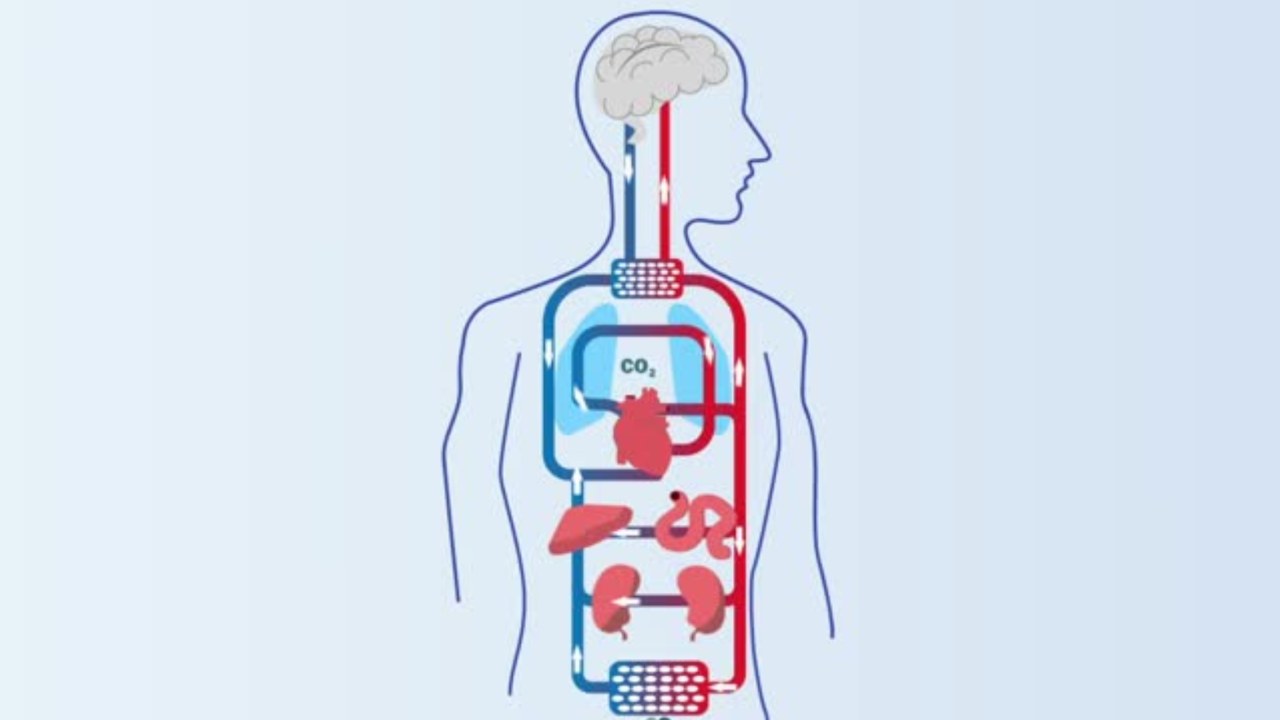
Circulatory System Animation
A short animation that explains the core components and flow of the circulatory system.
View project in directory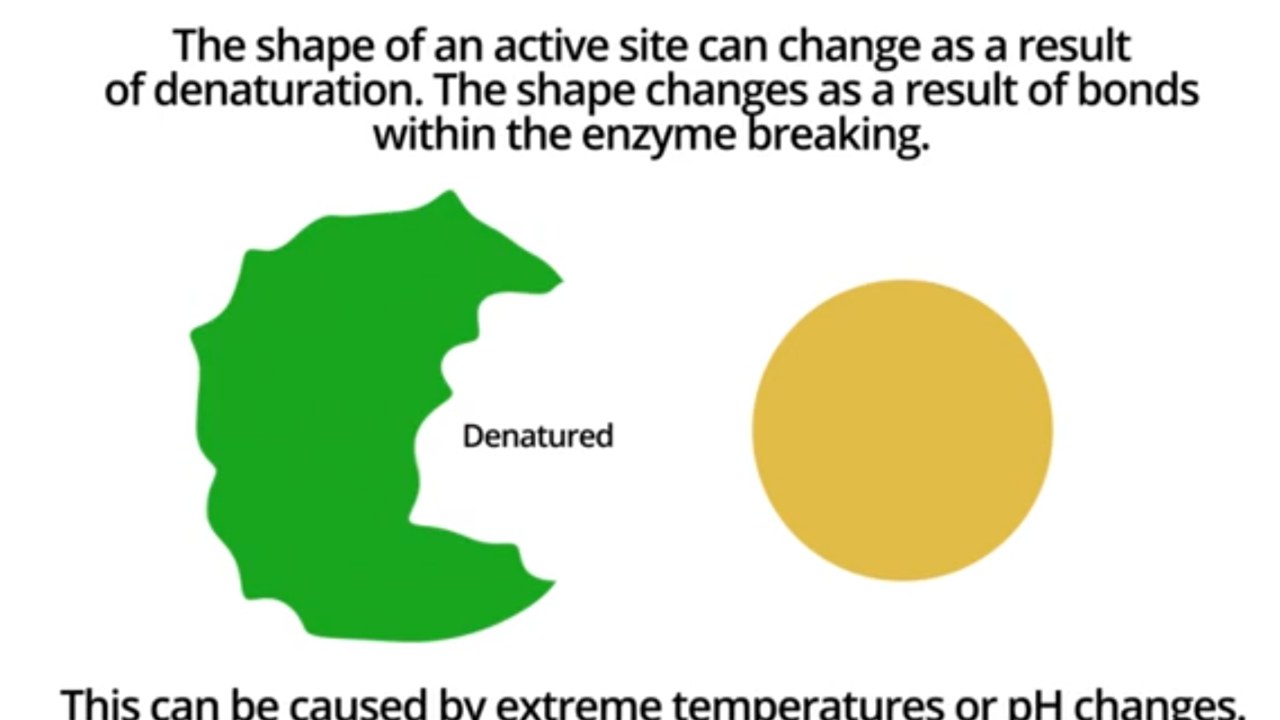
Enzyme Denaturation Animation
An engaging explainer of enzyme denaturation, highlighting conditions that alter structure and function. Useful for biochemistry and clinical science.
View project in directory
Video Enhancement Example
Example of how colour grading techniques can be used to rescue underexposed video.
View project in directory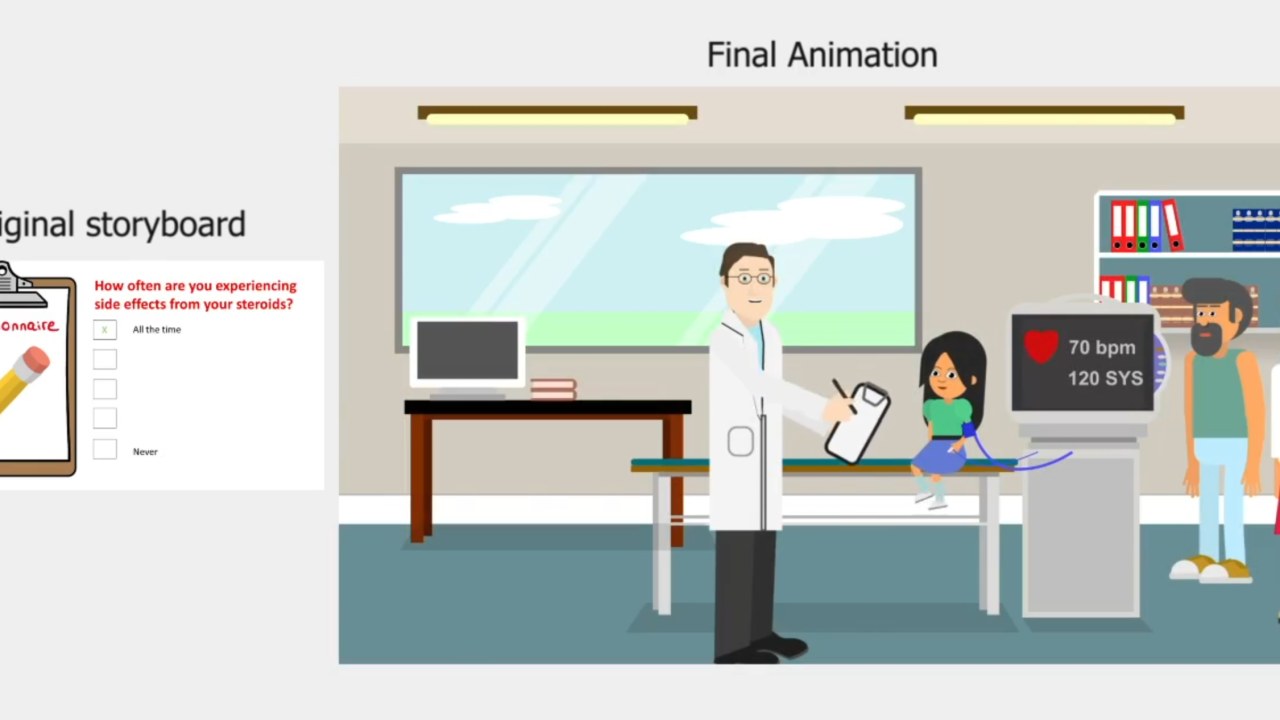
Treat to Target Animation (EATC4Children)
A short animation created for the Experimental Arthritis Treatment Centre for Children (EATC4Children). It helps families understand the Treat to Target approach and supports informed participation during recruitment.
View project in directory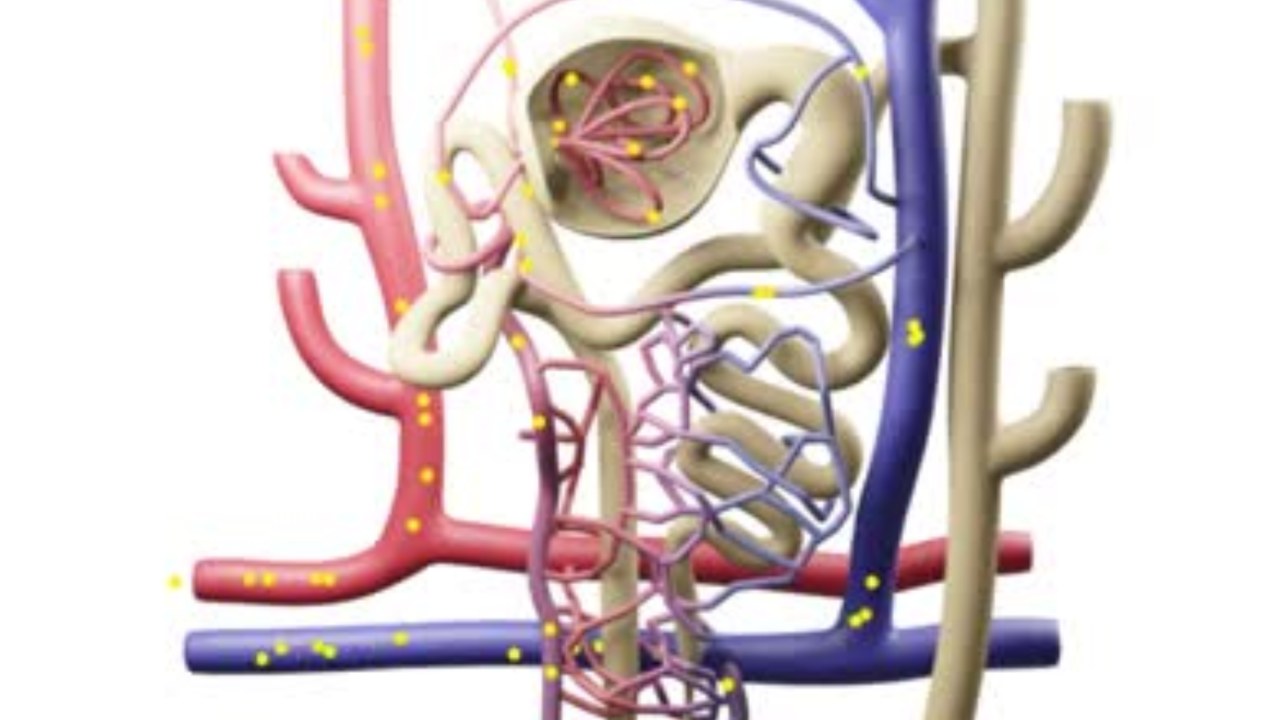
Arteriole Animation (Continued)
The second part of the arteriole animation, extending the overview of structure and function.
View project in directory
Prefessional Services at Leahurst - Promotional Video
Demonstrates a variety of filming locations and styles using our professional filming equipment, storyboarding, editing, colour grading and sound enhancement.
View project in directory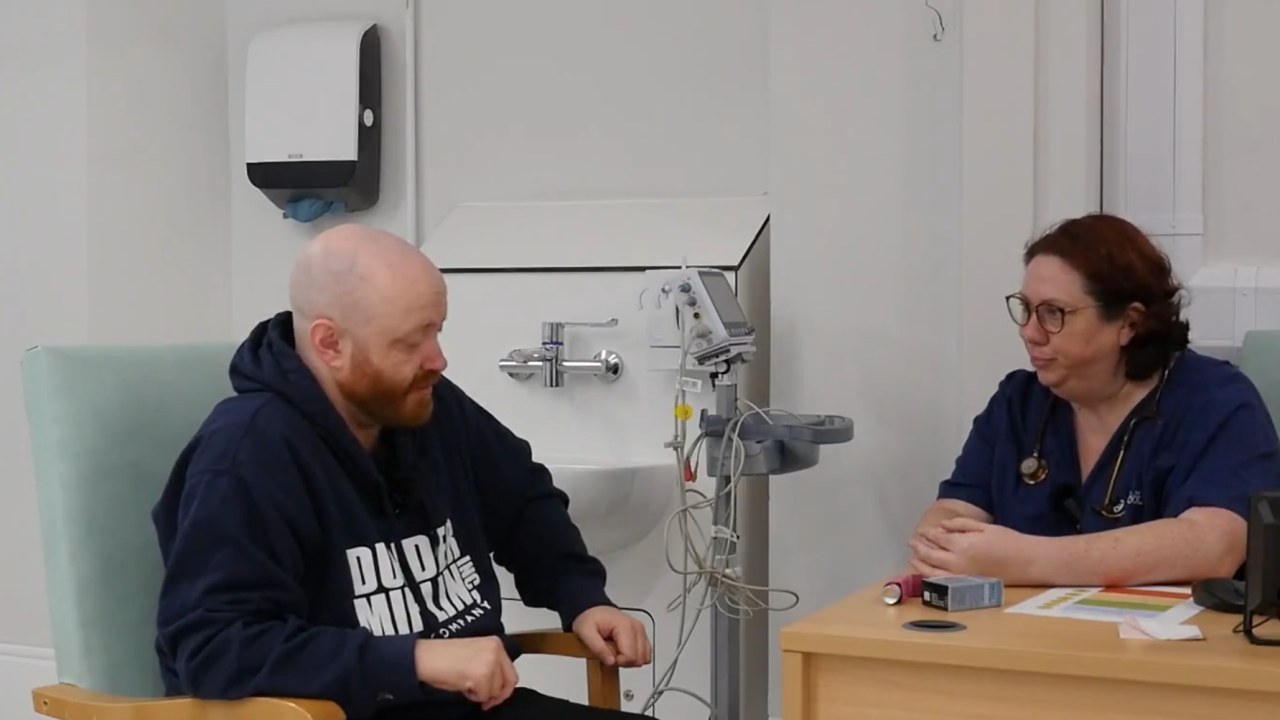
Asthma Physio Check 1 (in Chair)
Project filming for Emily Scott (physio). Demonstration of how to check breathing within Asthma whilst in a chair
View project in directory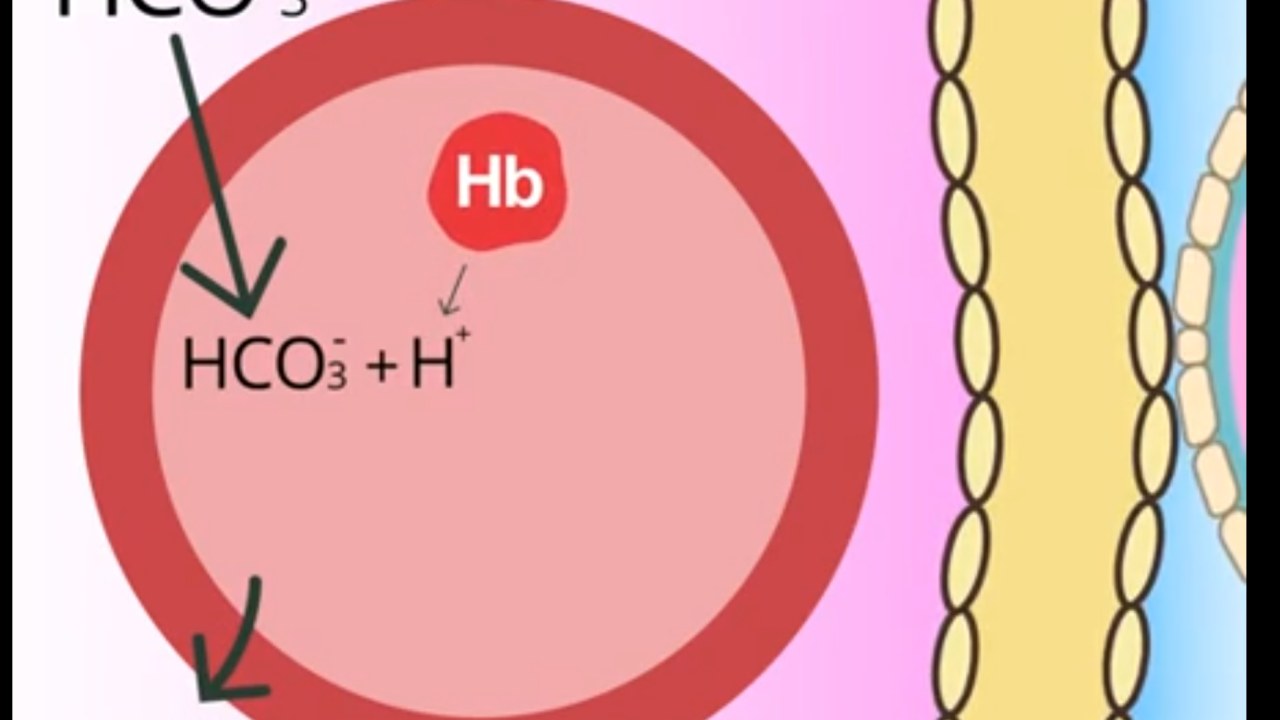
Capillary Endothelium Animation (Physiology)
An animation that explains the structure and role of capillary endothelium. Useful across physiology and clinical science modules.
View project in directory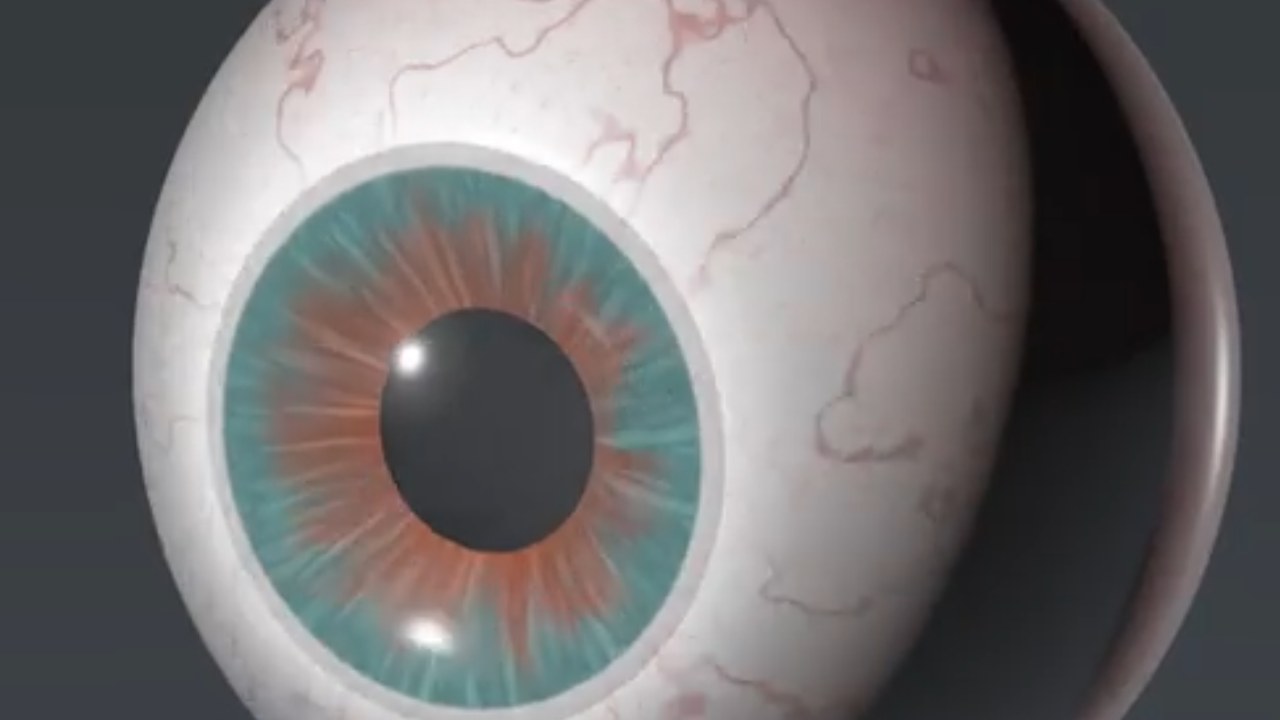
3D Eye Rotation Video
A brief video of a rotating 3D eye model, useful as a visual aid in anatomy and eye-related teaching.
View project in directory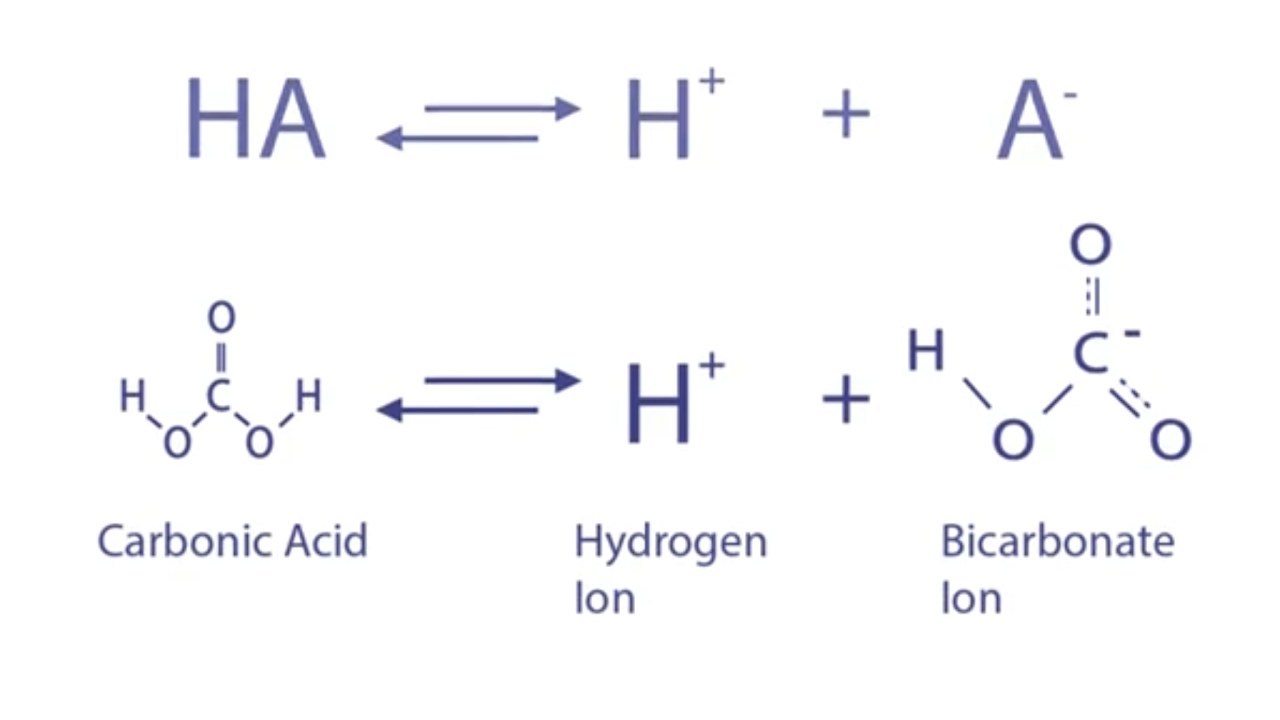
Henderson-Hasselbalch Equation Animation
A short animation that breaks down the Henderson-Hasselbalch equation and its application to acid-base balance.
View project in directory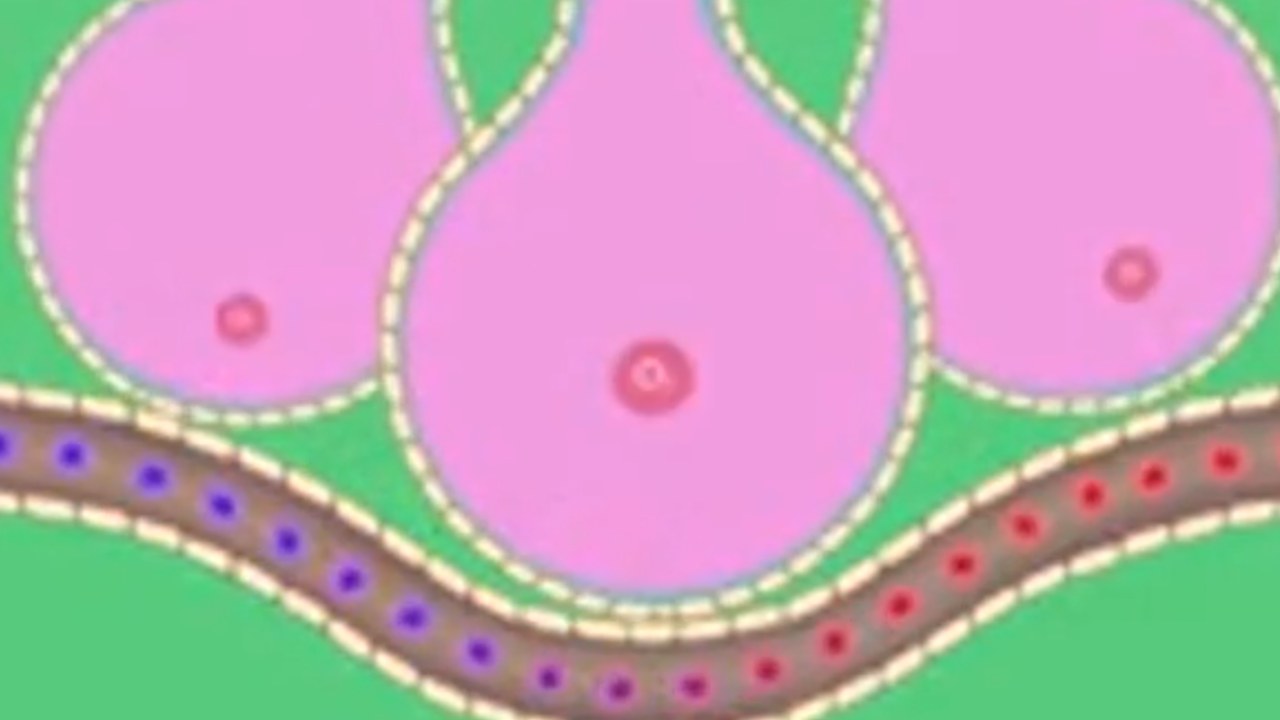
Carbon Dioxide in the Body Animation
A clear visual guide to how carbon dioxide is carried and processed in the body. Designed for use in clinical and physiology teaching.
View project in directory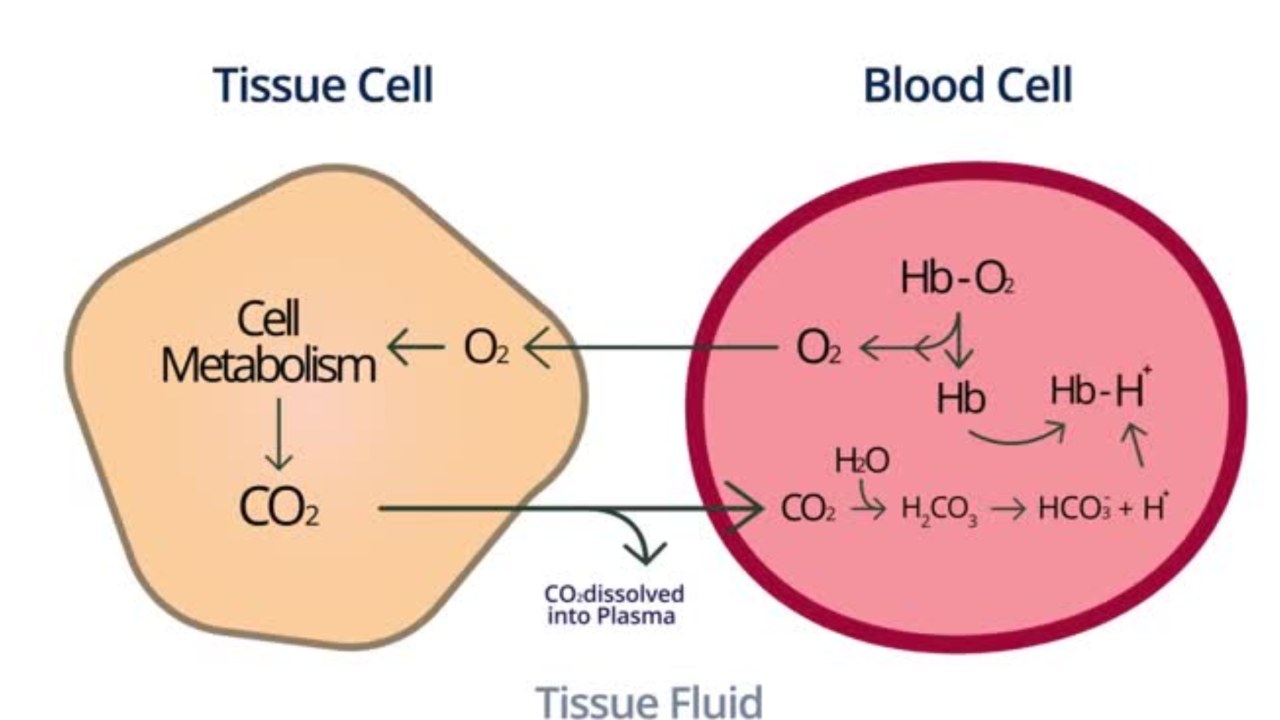
Haemoglobin and Acid-Base Balance Animation
A concise animation explaining how haemoglobin contributes to acid-base regulation. Useful for physiology and clinical science learners.
View project in directory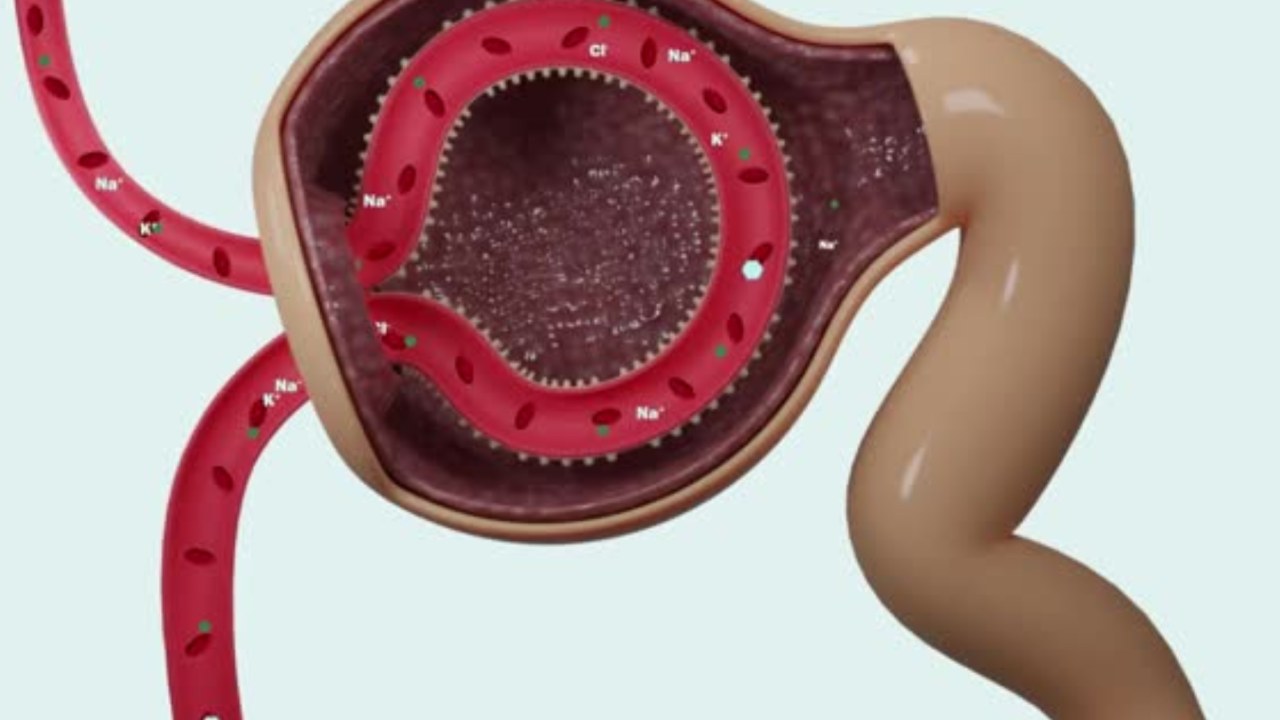
Glomerular Ultrafiltrate Animation
A short narrated animation introducing glomerular ultrafiltrate and its role in renal physiology.
View project in directory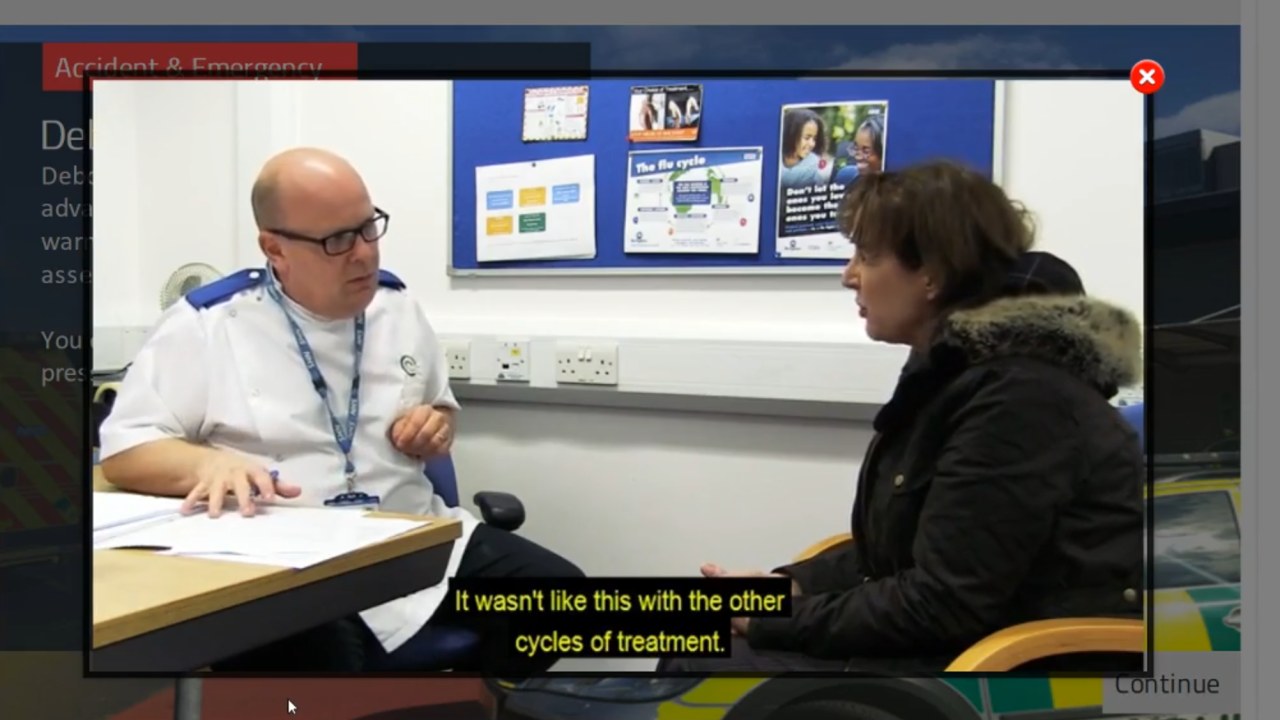
Virtual Patient (Oncology Module)
An interactive virtual patient resource designed to help learners articulate and share clinical reasoning. It supports discussion-led teaching in oncology modules and promotes reflective decision making.
View project in directory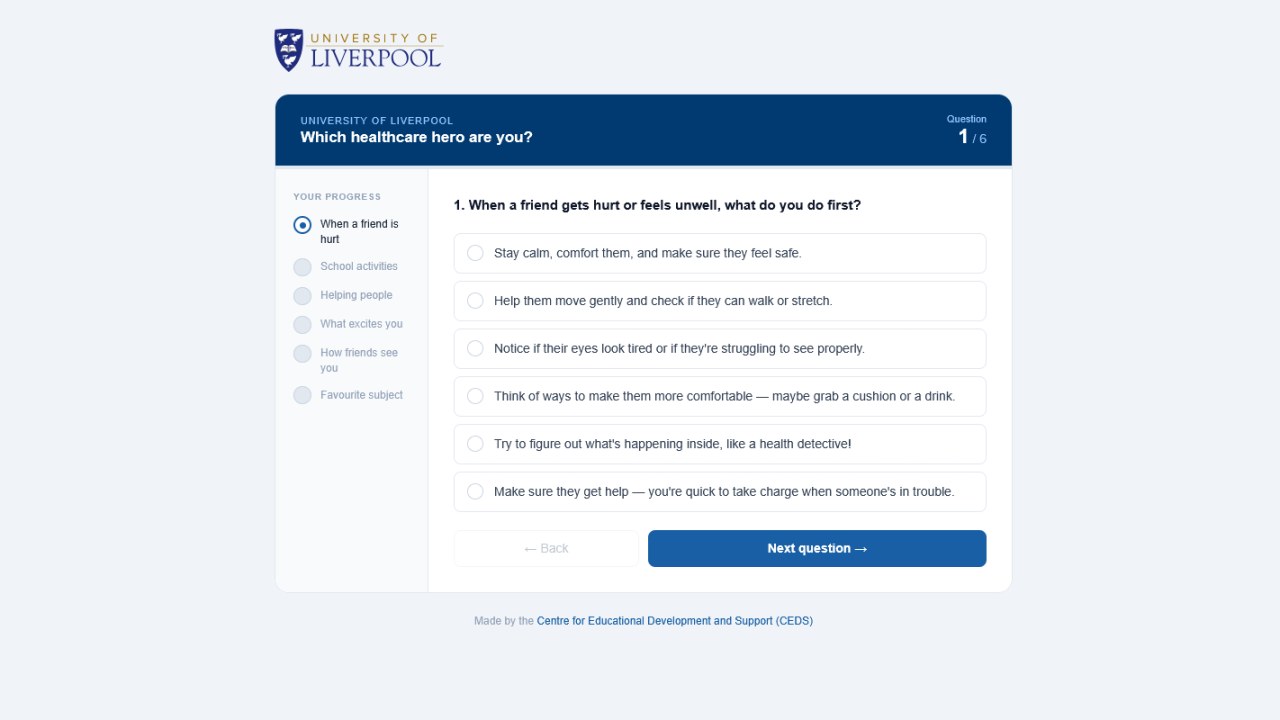
Healthcare Careers Quiz
An online quiz�aimed at year 9 students to start them thinking about healthcare careers and courses with the University they could do to lead them there
View project in directory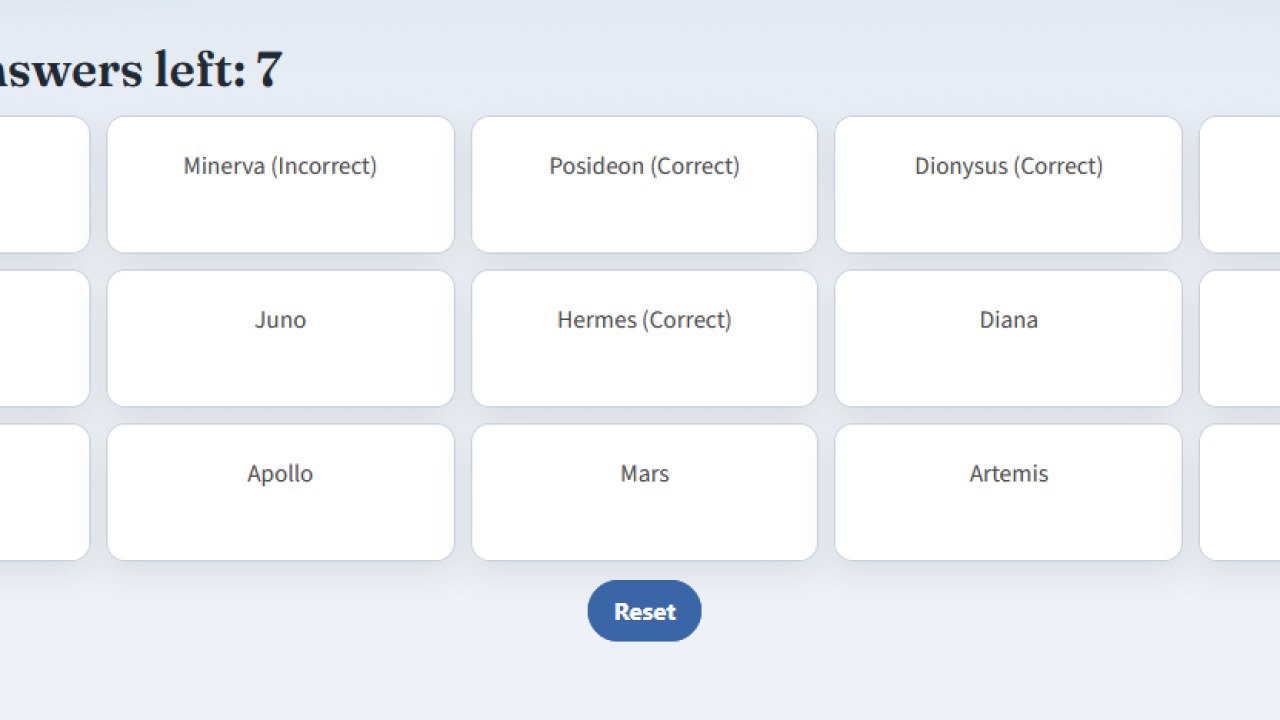
Find the Right Ones
Set ten correct answers and five incorrect distractors for your topic, then learners must select exactly ten correct items without mistakes. Reuse the same game with different sets for any module. The example embed here requires users to find 10 Greek gods. This can be changed to any subject matter.
View project in directory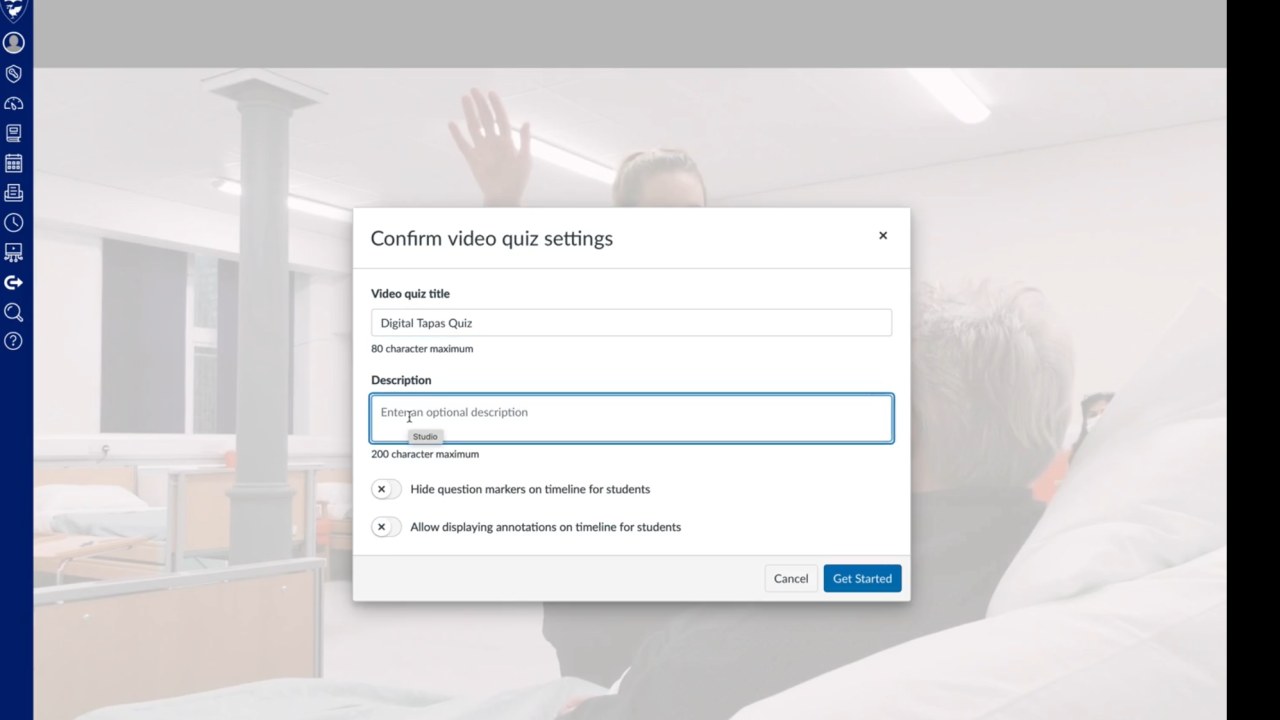
Canvas Studio: Add Questions to Videos
A practical guide demonstrating how to insert questions into Canvas Studio videos to improve engagement and check understanding.
View project in directory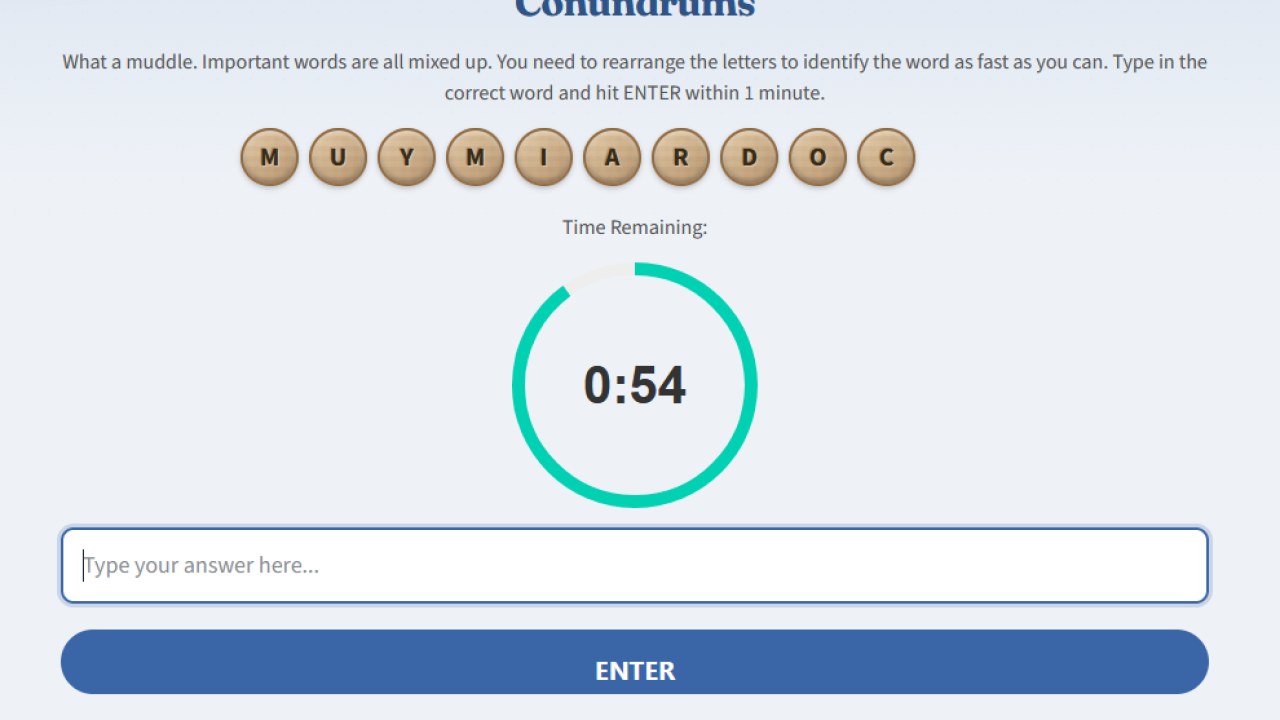
Conundrums
A Countdown-style anagram game. Players are shown scrambled letters and have a short time to find the word. You choose the word list, so the same game can be reused for any topic or module. In the example, the game has been set up with heart anatomy terms.
View project in directory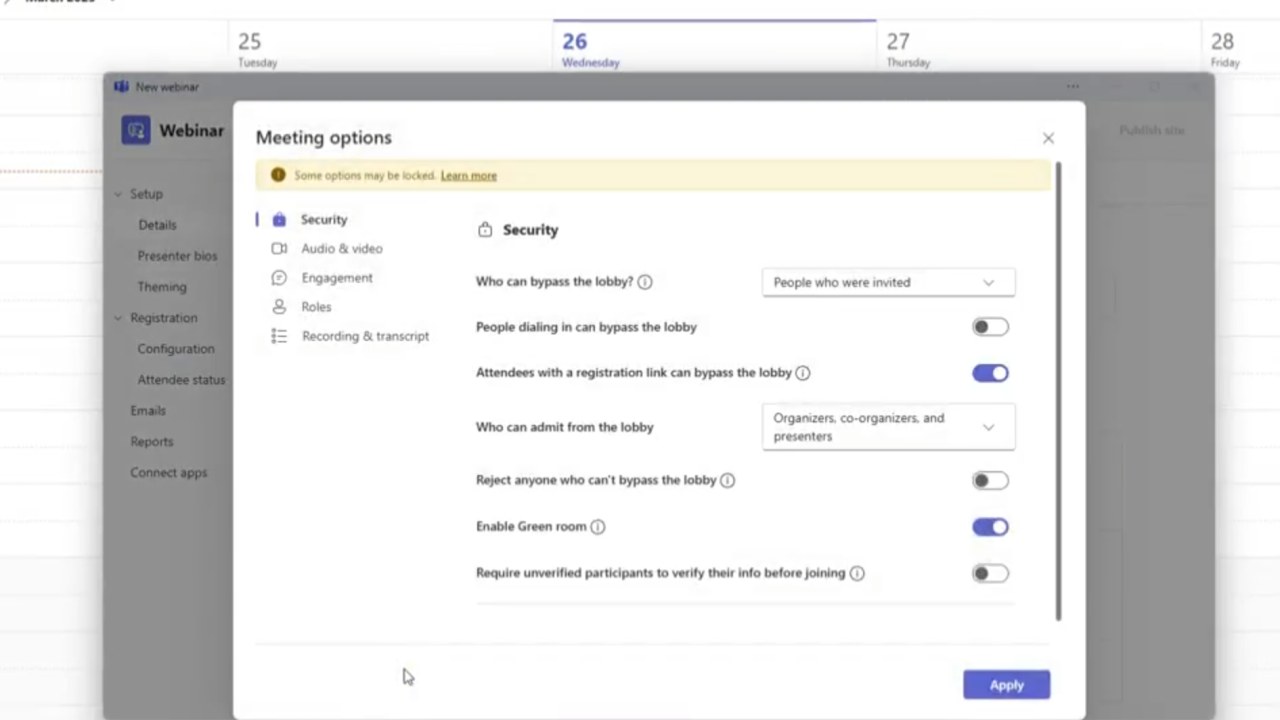
Microsoft Teams Webinar Scheduling Tutorial
A training video that walks through setting up a webinar in Microsoft Teams, including key options and workflow tips.
View project in directory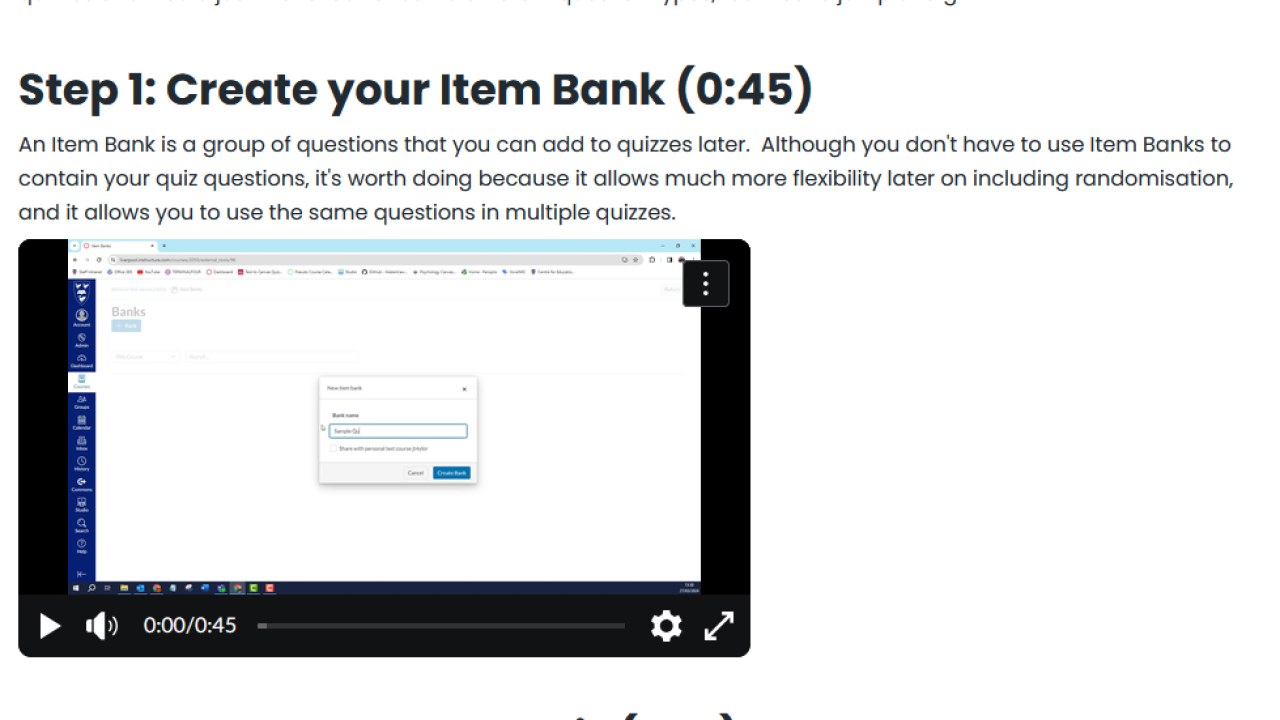
Canvas Quizzes Mastery Video Guides
A set of short, practical videos showing how to expand beyond multiple-choice in Canvas quizzes. Includes setup tips and question bank guidance.
View project in directoryEquality Act 2010 Scenario Spinner
A classroom-friendly spinning wheel that generates random combinations of people, protected characteristics, locations and scenarios tied to the Equality Act 2010. Ideal for workshops to prompt conversation, reflection and applied understanding.
View project in directory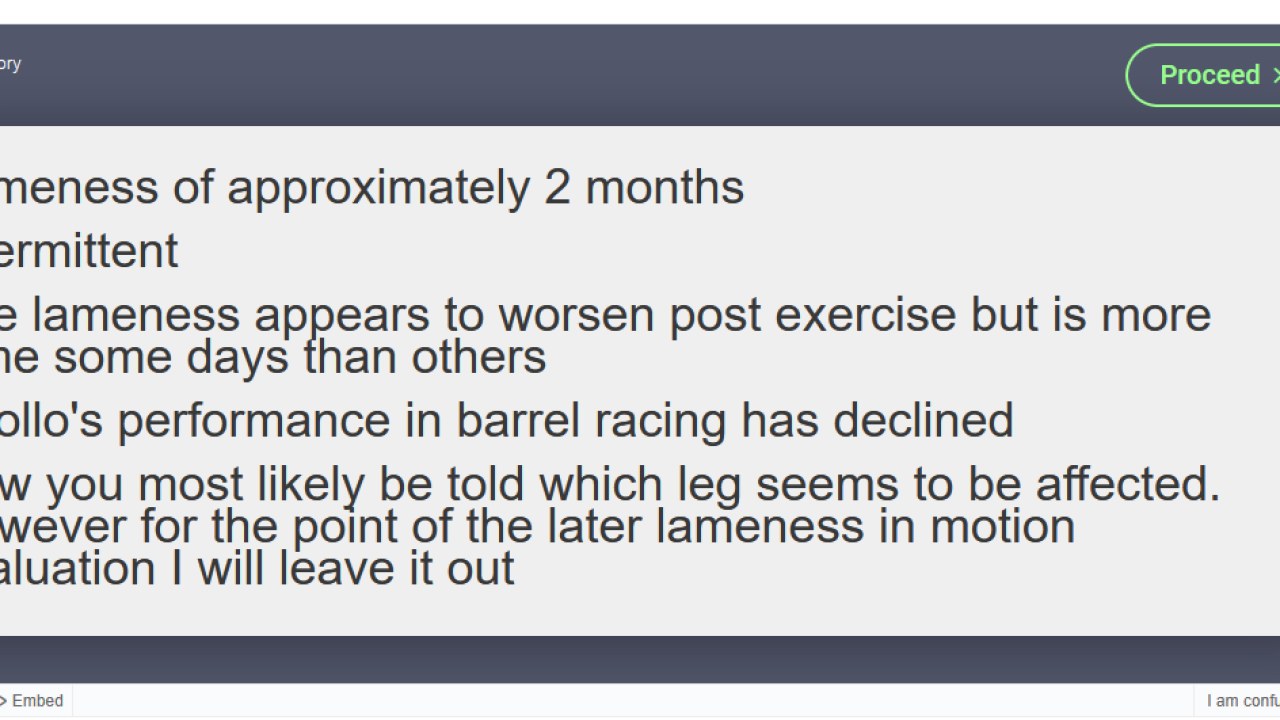
You are the vet: A lame horse
In this activity, students are presented with a case involving Bella, a horse brought in for assessment due to lameness. Learners must evaluate the scenario, consider the clinical signs, and determine the most appropriate next steps in investigating the cause of the lameness. The exercise supports the development of diagnostic reasoning by prompting students to justify their decisions and approach the case as a practising equine clinician would. Delivered through H5P, the activity provides an interactive and guided environment for applied learning.
View project in directory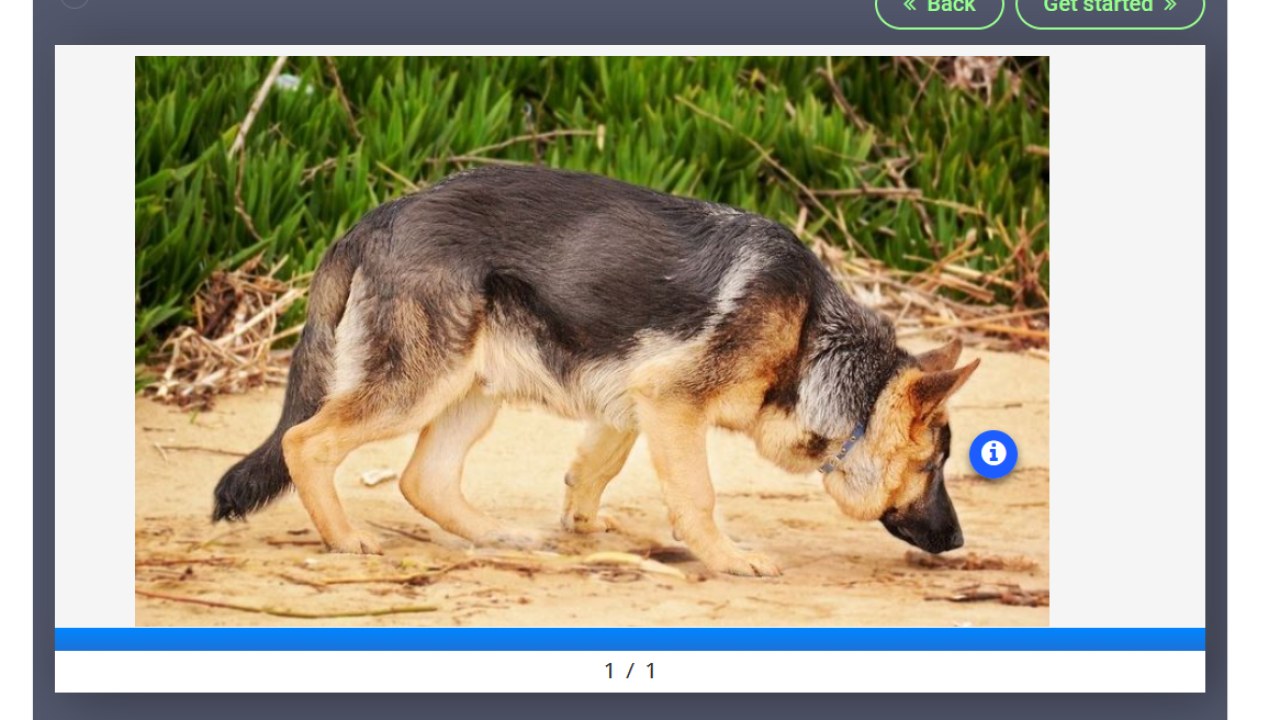
You are the vet: A dog with poor growth
This interactive activity introduces students to a veterinary case involving Sabre, a young dog presenting to the clinic with poor growth. Learners work through the scenario by reviewing the available clinical information and prioritising a series of possible actions, deciding which steps should be taken first and why. The exercise encourages students to think like clinicians, developing their reasoning, justification, and decision?making skills as they navigate an authentic first?opinion case. The activity is delivered through H5P, allowing for an engaging, structured, and feedback?rich learning experience.
View project in directory
Clinical Communication skills scenario videos
Example of how we can shoot and stylise footage (colour grading soap-style framing) for learning and storytelling.
View project in directory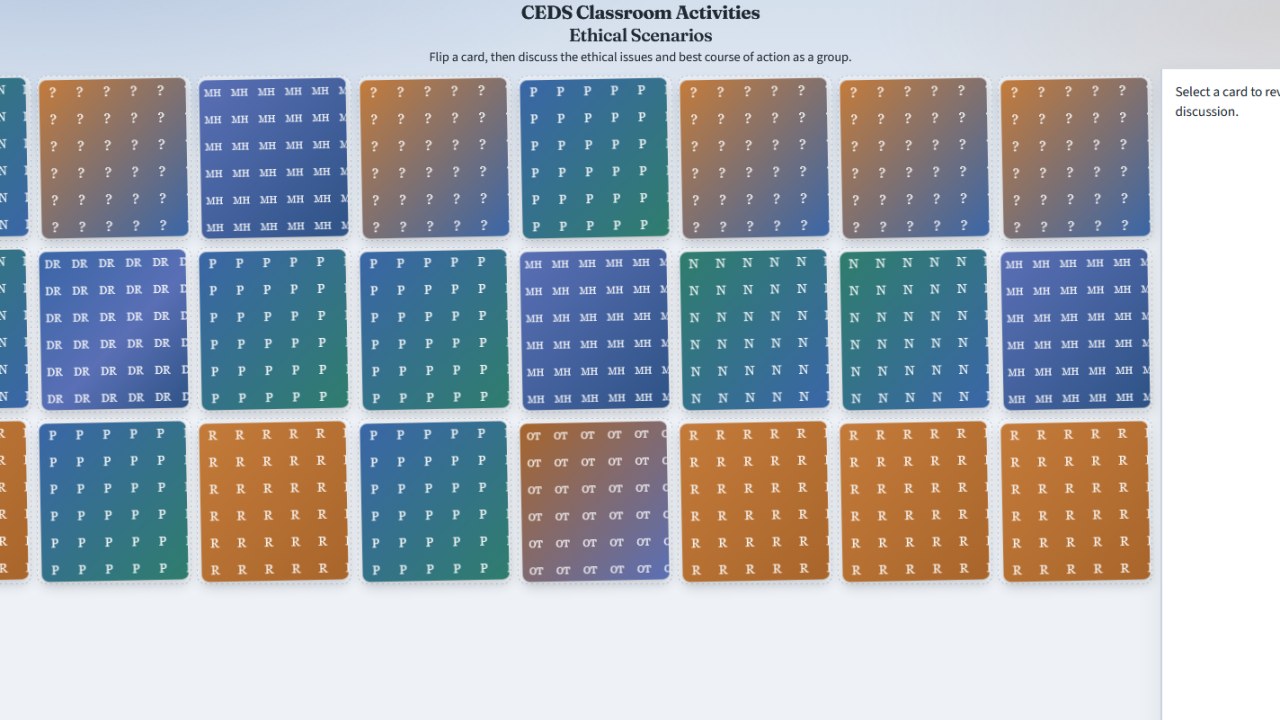
Ethics Dilemmas Card Game
A simple online card game that surfaces ethical dilemmas for small-group discussion. Students draw cards, debate options, and build confidence in professional reasoning and communication.
View project in directoryClue Quiz
This is a Jeopardy-style quiz: the front of each card shows the answer (a clue), and the player must flip the card to reveal the correct question. Every game has exactly 15 clues: five worth 10 points, five worth 20 points, and five worth 30 points. Play Mode supports two teams taking turns � name your teams, and points are awarded automatically to whichever team is "on the clock" when a clue is marked correct. Fill in each clue and its matching question below, click Save Changes, then use Generate Game Link to create a unique URL for this game � copy and save that link to share or replay it any time.
View project in directory
pBILAG Online Learning Tool (Clinician Training)
A clinician-focused learning tool that turns pBILAG documentation into an easy-to-follow animated walkthrough. It supports accurate data capture and better-informed care decisions.
View project in directory
3D Kidney Rotation (No commentry or labels)
3D animation of a sectional view of a kidney. The object rotates then zooms in. Created using Blender
View project in directory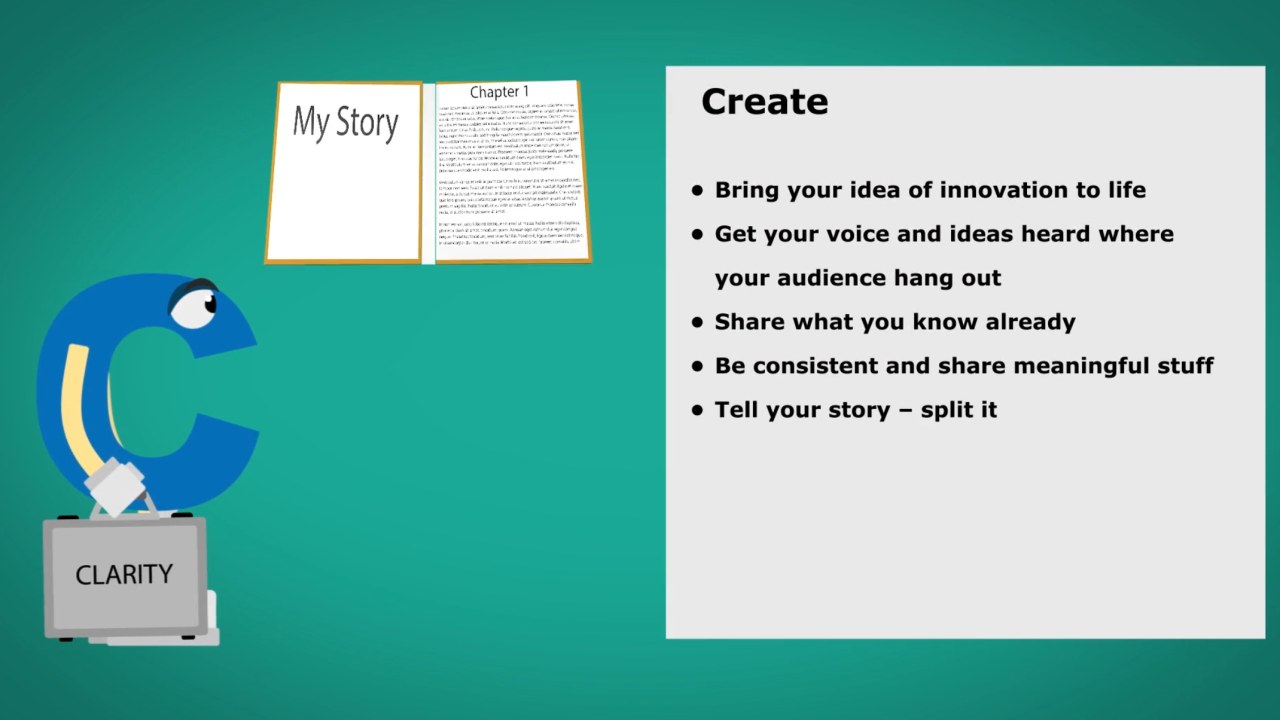
Animation Demo for Innovation Agency
This is an example of character animation for an explainer video. Combines character rigging and motion graphic techniques. Please note this resource was created in 2017 and our tools and techniques have advanced since then. It uses a combination of Adobe After Effects and Illustrator.
View project in directory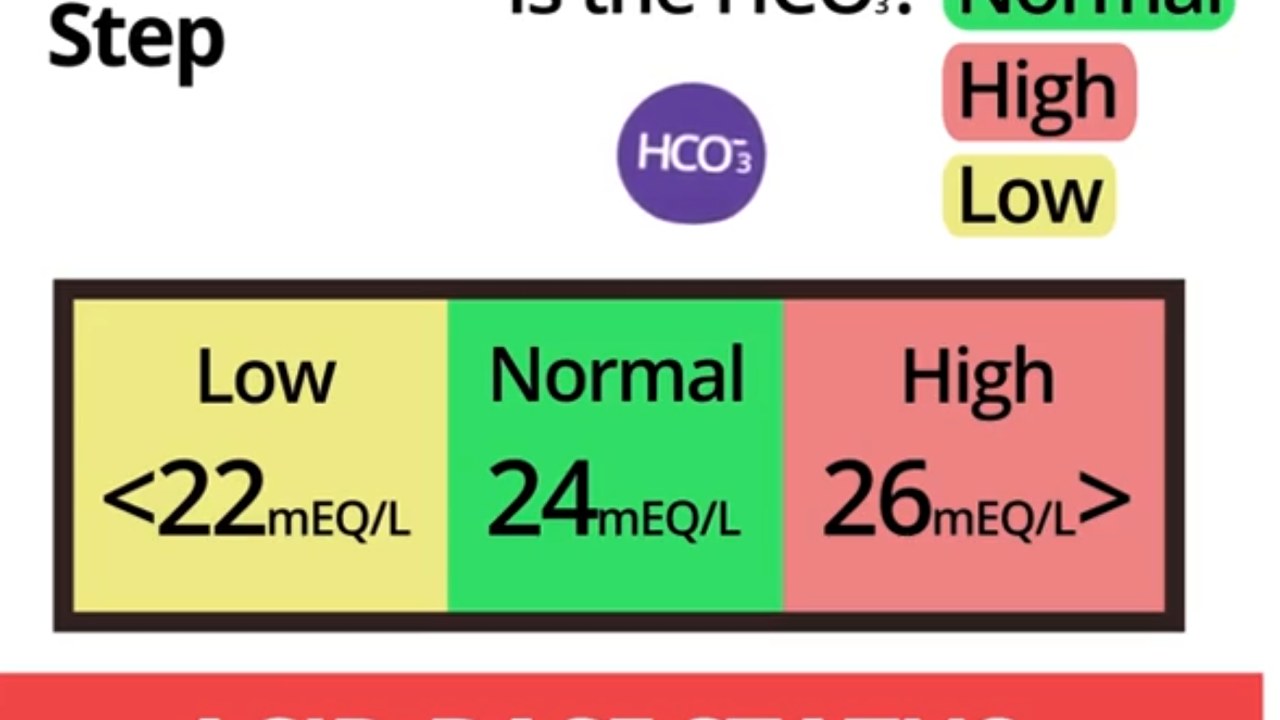
Blood Gas Analysis Animation (Clinical Science)
A concise medical animation that introduces key concepts in blood gas analysis. Suitable for clinical science teaching and quick revision.
View project in directory
Police Officer Animation
A bespoke police officer character created using Adobe Illustrator and animated in After Effects
View project in directory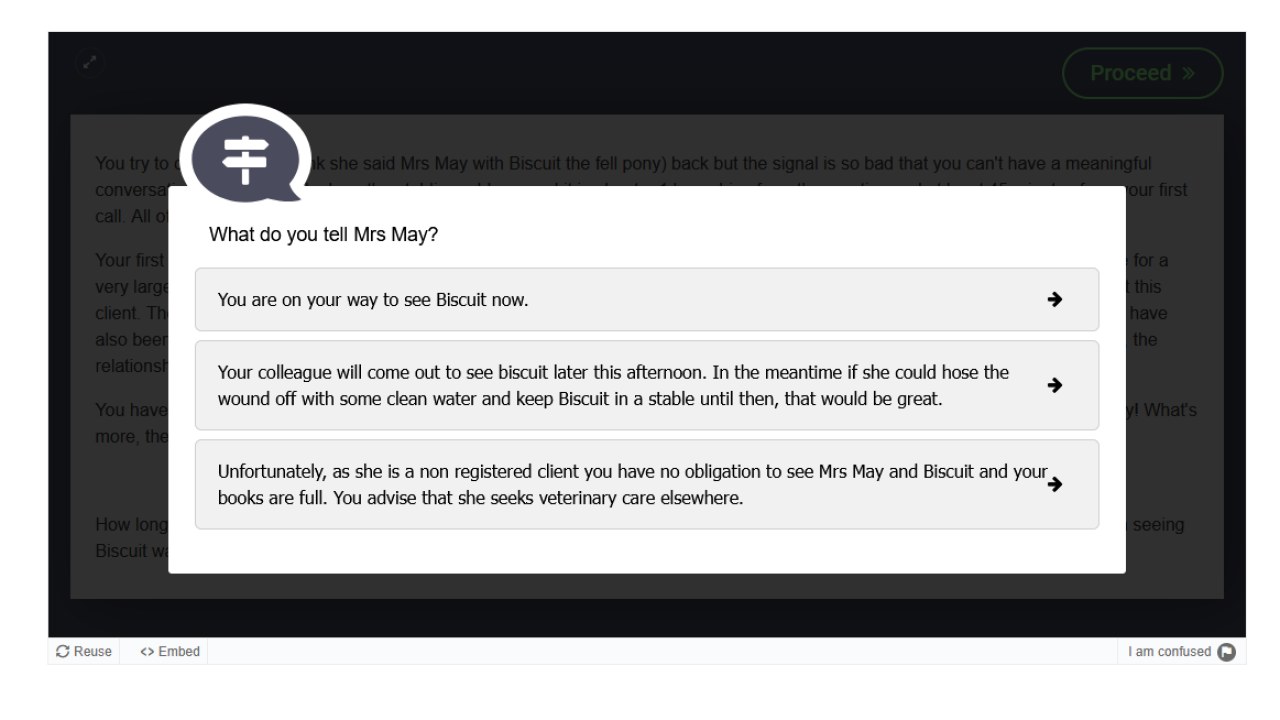
You are the vet: Urgent horse call out
In this scenario?based activity, students roleplay being part of a remote rural mixed veterinary practice with a small, close?knit team and a client base that relies heavily on the clinic as their only accessible veterinary service. The practice is overstretched, closed to new clients, and facing significant recruitment challenges, needing several additional vets and nurses. Learners explore the realities of workload management, client communication, ethical decision?making, and team dynamics in a resource?limited environment, gaining insight into the pressures and responsibilities of rural first?opinion practice.
View project in directoryWhack-a-Wrong
Whack-a-Wrong-Answer is a fast-paced learning activity that challenges students to identify incorrect answers while avoiding the correct ones. The game promotes active retrieval, critical thinking, and recognition of common misconceptions. By encouraging students to explain why an answer is incorrect, it supports deeper learning and helps reinforce key concepts in a fun, competitive environment
View project in directory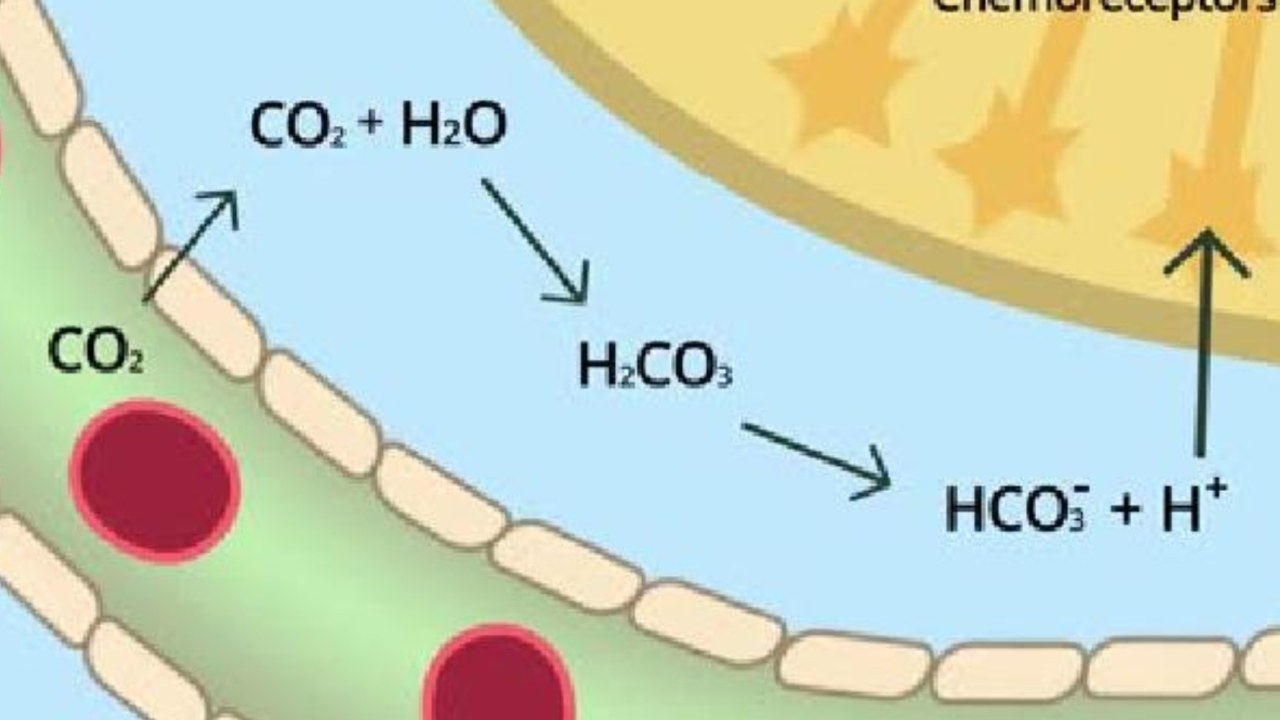
Medulla Animation (No Audio)
A no-audio animation that visually introduces the medulla and its key features. Suitable for self-paced study.
View project in directory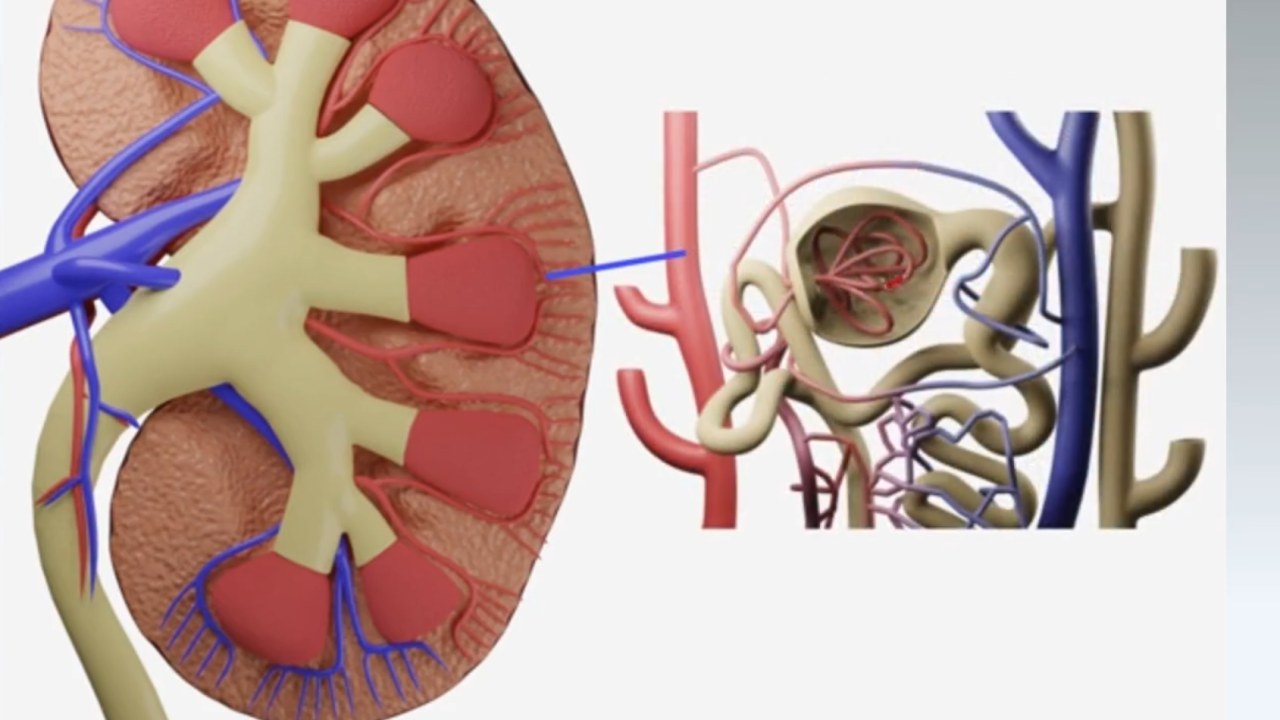
Kidney Zoom View Animation
A focused animation that zooms into kidney anatomy to support renal physiology teaching.
View project in directory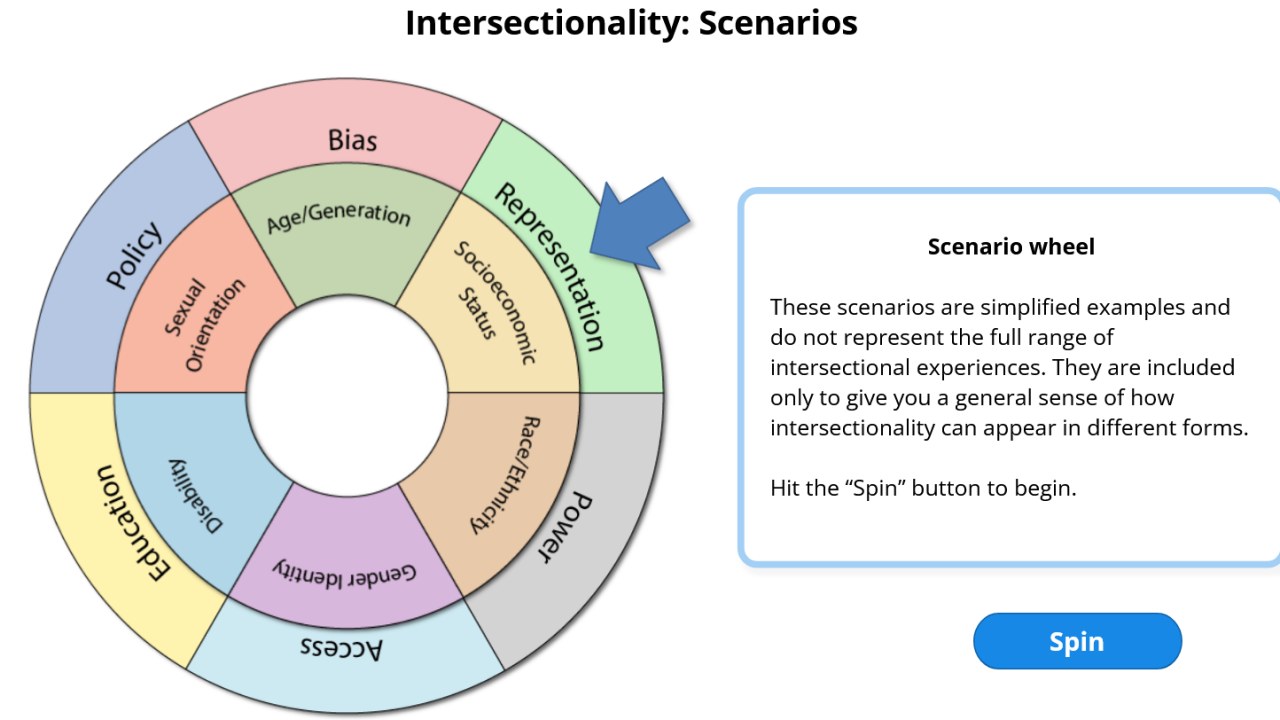
Interactive Intersectionality Wheel
Customisable spinning wheel for choosing scenarios based on randomised result. Uses custom JS for extra functionality
View project in directory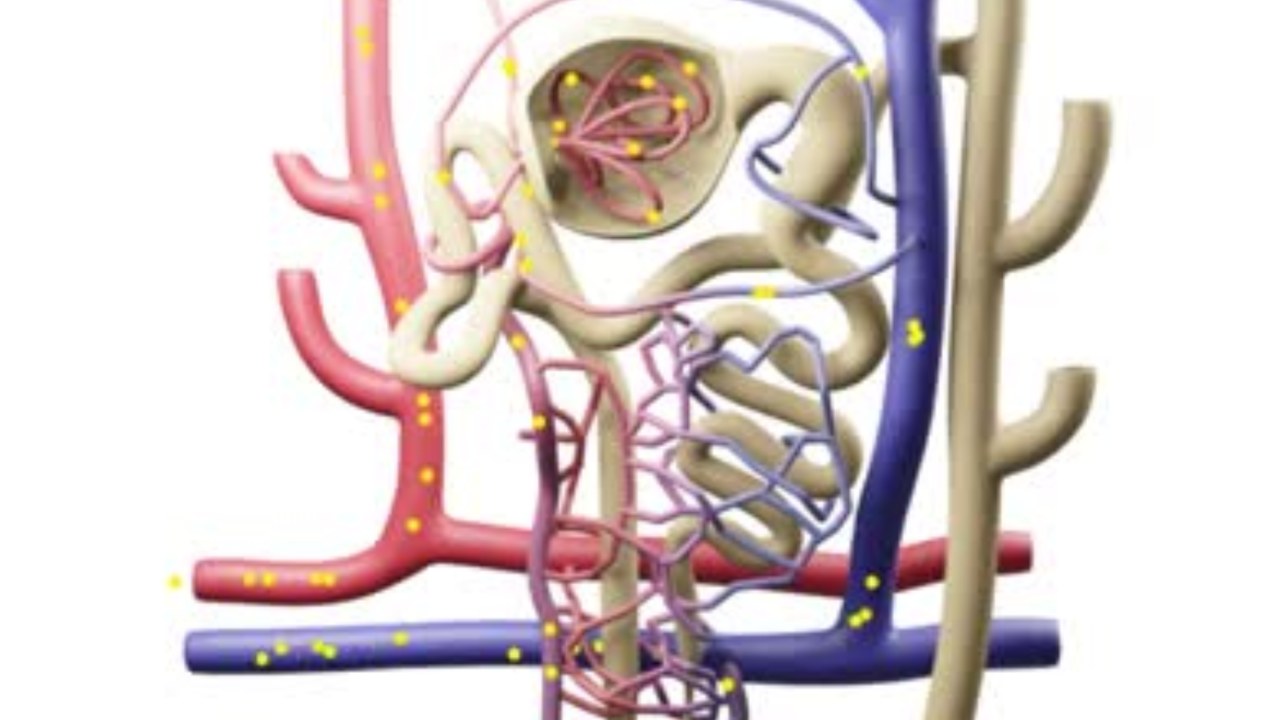
Arteriole Animation
A concise medical animation that introduces arteriole anatomy and function for foundational learning.
View project in directoryPick a Category
Pick a category is an interactive learning activity that encourages students to classify information into the correct categories. By organising concepts, learners develop a deeper understanding of relationships between ideas while reinforcing key knowledge through active learning. The activity promotes discussion, critical thinking and collaborative problem-solving, making it ideal for teaching and revising Health and Life Sciences topics.
View project in directoryProject ARES: Adaptive Resilience for Emergency Services
Project ARES brings together global clinical and academic expertise to support NHS and frontline staff. The resource focuses on stress, resilience and decision making, offering practical guidance for preparation, response and recovery.
View project in directoryClinical Lingo Bingo (CLINGO)
An online bingo-style game that replaces numbers with clinical terms (and optional local dialect phrases) to build confidence with placement language. Learners join via QR code, play on phones or laptops, and discuss each phrase with a facilitator for deeper understanding.
View project in directoryYou are the vet: Bulldog with skin problems
Students take on the role of a veterinarian managing a dermatology case involving a 3?year?old male English Bulldog with a six?month history of pruritic skin and foot lesions. The dog is fed a varied home?cooked diet, receives regular fluralaner, lives indoors with no other animals, and has minimal travel or infectious exposure history. Through this roleplay, learners explore differential diagnoses, investigative pathways, and management options, strengthening their clinical reasoning and communication skills while working through a realistic small?animal dermatology scenario.
View project in directory
Mail Merge Video Tutorial
A short video guide that shows how to set up and run a mail merge for letters or emails.
View project in directory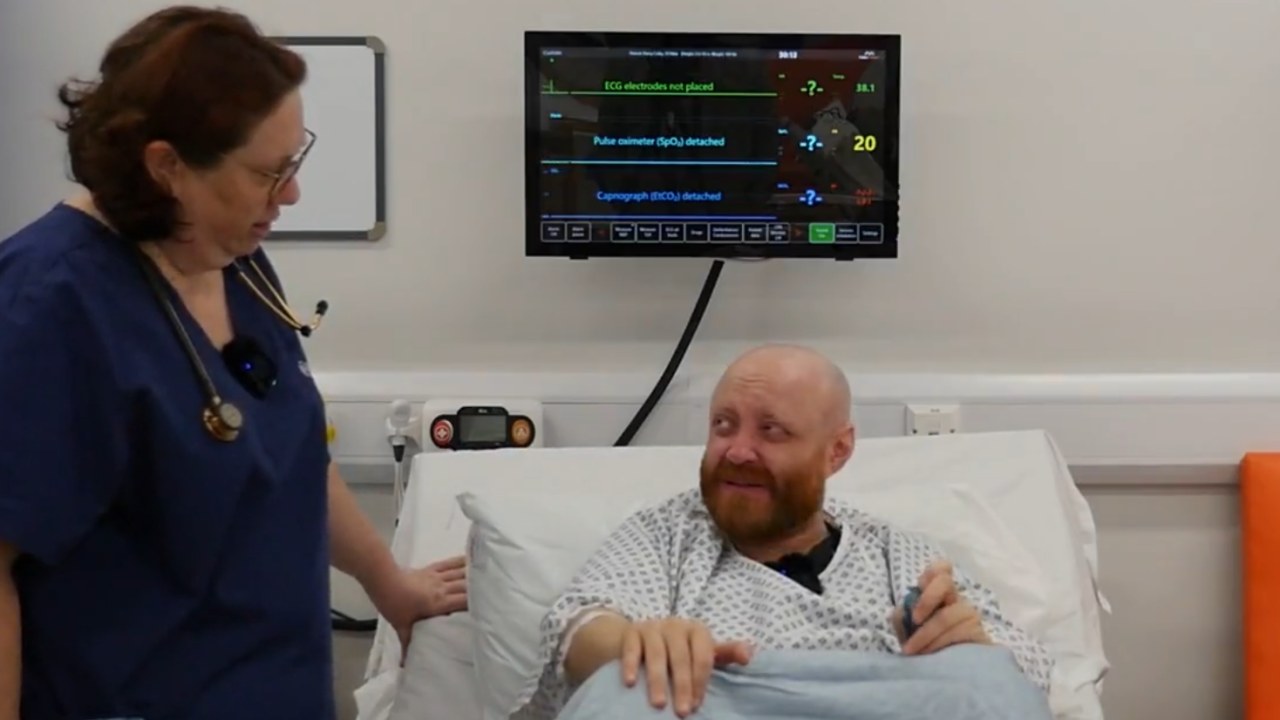
Asthma Physio Check 1 (in Bed)
Project filming for Emily Scott (physio). Demonstration of how to check breathing within Asthma whilst in a chair
View project in directory
PowerPoint to MP4 Video Guide
A practical video guide to saving PowerPoint presentations as MP4 files for easy sharing.
View project in directoryCirculatory System Animation
Animation created in Adobe After Effects and Illustrator to show how the blook flows around the body and internal organs
View project in directory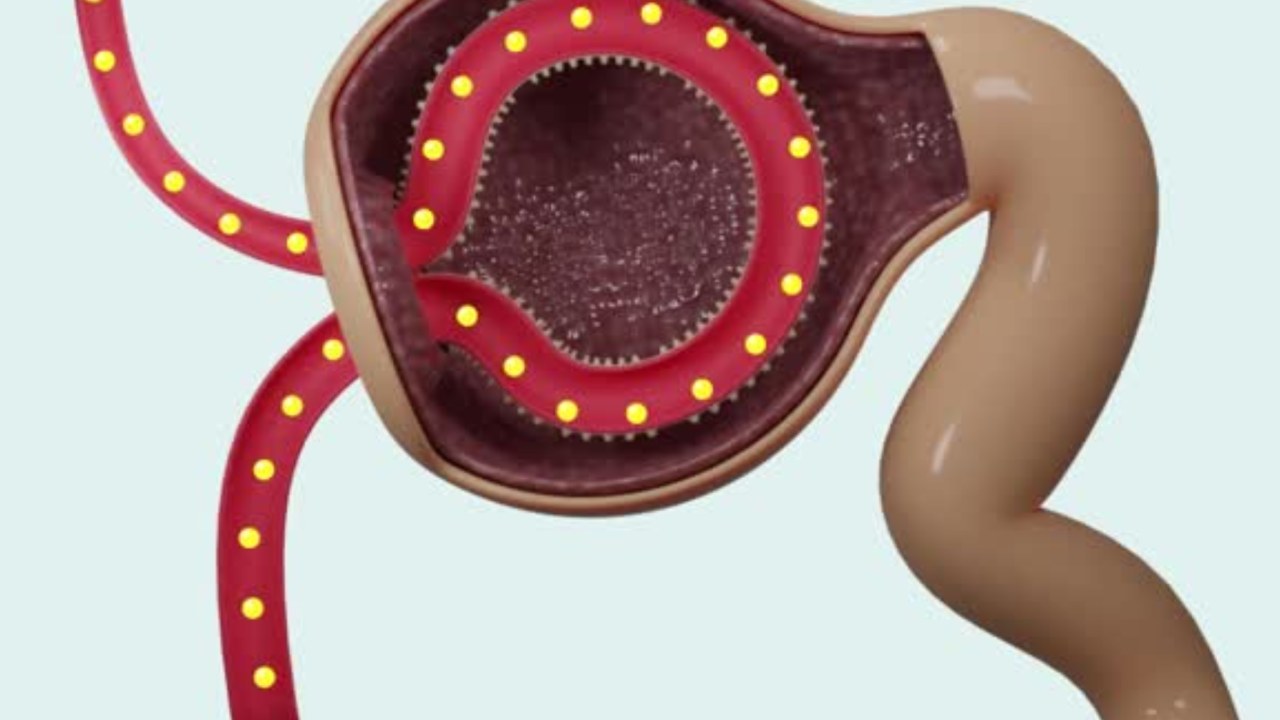
Renal Plasma Flow Animation
A short narrated animation introducing renal plasma flow and why it matters in kidney function.
View project in directory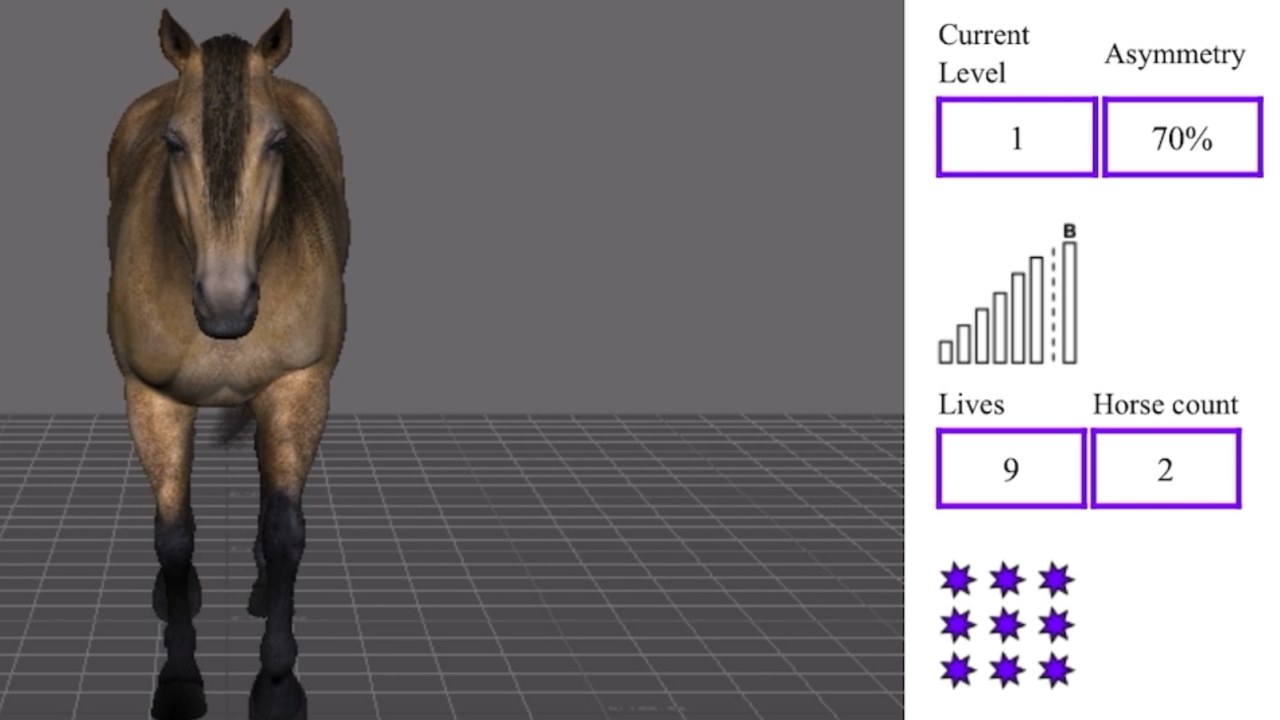
You are the vet: Lameness Videos
This activity presents students with a series of horse?lameness videos and challenges them to identify which limb is affected and explain the reasoning behind their assessment. By analysing gait, movement patterns, and subtle clinical cues, learners refine their observational skills and deepen their understanding of equine locomotion. Developed in H5P, the resource provides an interactive platform for practising lameness recognition in a safe, repeatable, and feedback?supported format.
View project in directorySuggest a future idea
Ideas live only in Matchup — they are not directory assets. Others can browse and like them.
No ideas yet — add one above, then swipe the card to save it to your picks.
0 picks · saved as you go